


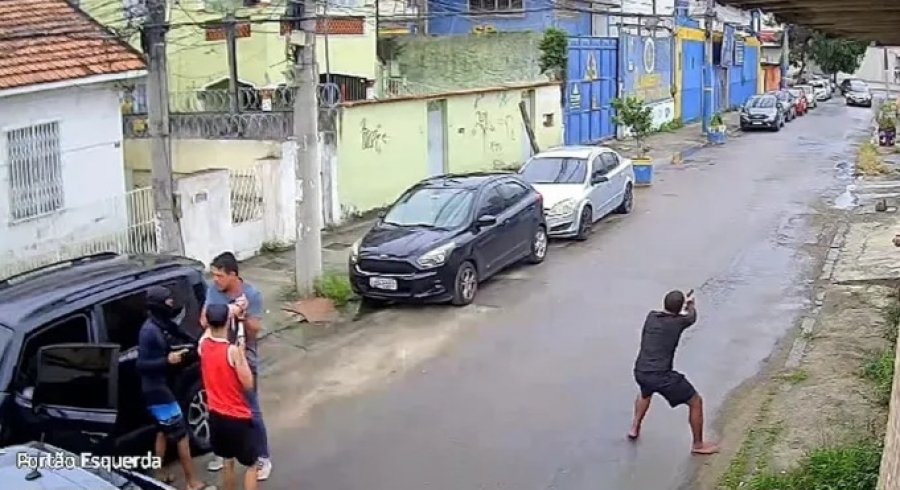
Of the 147 neighborhoods mapped in the city of Rio de Janeiro, 36 recorded an increase in vehicle thefts, including three located in the South Zone. In percentage terms, Humaitá registered a sharp rise of 50% when comparing the first six months of 2025 with the same period last year. The newly designated Southwest Zone, officially created in September, makes its first appearance on the Crime Map in the second edition of GLOBO’s interactive tool. In this area, Praça Seca stood out with the highest percentage increase in vehicle thefts: reported cases more than doubled, rising from 56 to 126 incidents when comparing the first half of 2024 with the same period in 2025.
This Content Is Only For Subscribers
To unlock this content, subscribe to INTERLIRA Reports.
Southwest Zone
From January to June of this year, the number of vehicle thefts also doubled in Vila Valqueire, increasing from 38 to 80 cases compared to the same period in 2024. A similar trend was observed in Vargem Pequena, where, despite lower absolute numbers, cases rose from seven to 14. In Grumari, one vehicle theft was recorded in the first six months of 2025, whereas no such incidents were reported during the same period last year.
Neighborhoods in the Southwest Zone
Below is the list of the ten neighborhoods in the Southwest Zone that recorded the highest percentage increases in vehicle thefts during the first half of this year.
- Vargem Grande recorded a 25% increase, with 10 cases.
- Gardênia Azul also saw a 25% increase, with 10 cases.
- Barra da Tijuca registered a 30.3% increase, totaling 43 cases.
- Jacarepaguá recorded a 41.8% increase, with 95 cases.
- Taquara saw a 47.8% rise, with 133 cases.
- Curicica registered a 74.3% increase, with 61 cases.
- Freguesia de Jacarepaguá recorded a 75% increase, with 14 cases.
- Vargem Pequena had a 100% increase, with 14 cases.
- Vila Valqueire registered a 110.5% increase, with 80 cases.
- Praça Seca led the ranking with a 125% increase, totaling 126 cases.
South Zone
Another neighborhood in the South Zone that recorded an increase in vehicle thefts was Flamengo, where reports rose from 28 cases in the first six months of 2024 to 30 cases between January and June of this year. São Conrado, which had no reported incidents in the first half of last year, registered five cases in the same period of 2025. When comparing the first halves of 2024 and 2025, other South Zone neighborhoods either maintained the same figures—such as Gávea (two cases in each period), Ipanema (three), Jardim Botânico (two), Rocinha (no cases), Urca (two), and Vidigal (no cases)—or showed a decline in the indicator.
Absolute Numbers
In absolute terms, Botafogo recorded the highest number of vehicle thefts in the South Zone from January to June of this year, with 43 cases, virtually unchanged from the 44 cases registered in the same period last year. Copacabana, meanwhile, was among the neighborhoods with the lowest incidence, with just one case during the period, as were Cosme Velho and Leme.
Neighborhoods in the South Zone
Below is the number of vehicle thefts recorded by neighborhoods in the South Zone of Rio de Janeiro from January to June 2025.
- Botafogo registered 43 cases.
- Flamengo recorded 30 cases.
- Laranjeiras had 22 cases.
- Humaitá registered 6 cases.
- Catete recorded 5 cases.
- Lagoa registered 5 cases.
- São Conrado recorded 5 cases.
- Leblon had 4 cases.
- Glória recorded 3 cases.
- Ipanema had 3 cases.
- Gávea recorded 2 cases.
- Jardim Botânico had 2 cases.
- Urca registered 2 cases.
- Copacabana recorded 1 case.
- Cosme Velho had 1 case.
- Leme recorded 1 case.
- Rocinha registered in cases.
- Vidigal registered no cases.
Analysis:
The recent data on vehicle thefts in Rio de Janeiro reveal a clear spatial shift in criminal activity, with the newly defined Southwest Zone emerging as a growing hotspot. Sharp percentage increases in neighborhoods such as Praça Seca, Vila Valqueire, Curicica, and Taquara suggest that offenders are adapting their routes and targets, likely responding to changes in policing patterns, urban mobility, and local opportunities. Although some of these areas still record lower absolute numbers than traditional crime centers, the pace of growth indicates an early consolidation phase that, if left unaddressed, may evolve into sustained theft corridors.
In the South Zone, the picture is more stable but not entirely reassuring. While most neighborhoods maintained flat or declining numbers, isolated spikes in places like Humaitá and the appearance of cases in São Conrado point to the vulnerability of areas traditionally seen as lower risk.
Overall, the data suggest that vehicle theft in Rio is becoming more dispersed rather than concentrated in a few traditional hot spots. Criminal groups appear to be prioritizing areas with easier access, weaker situational controls, and escape routes linking residential zones to major expressways.

