


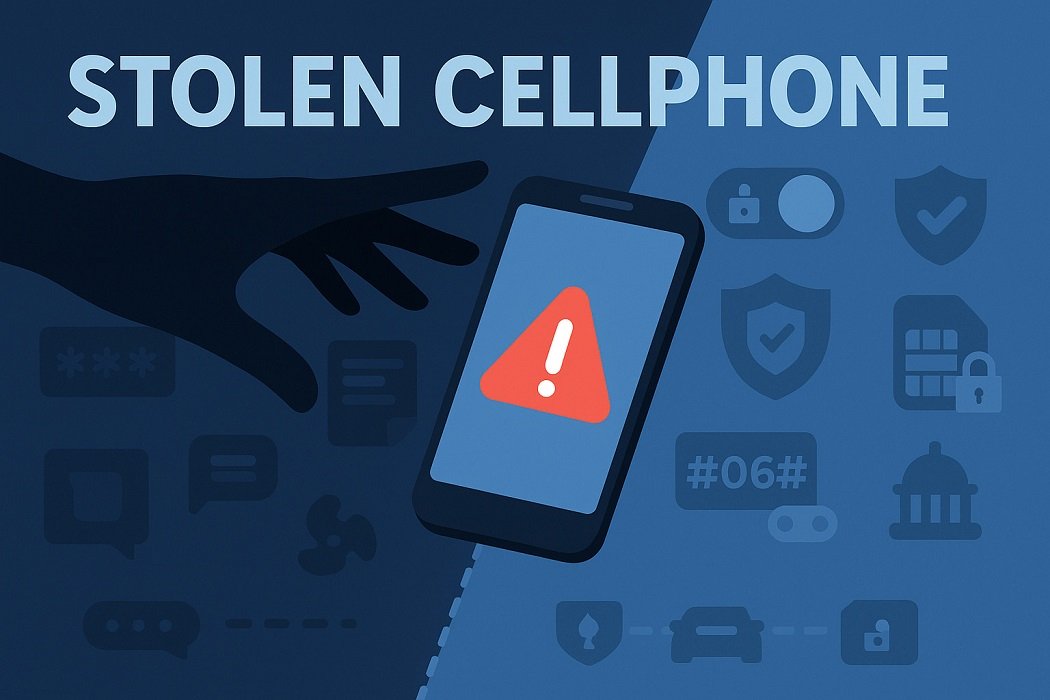
The state of Rio de Janeiro has recorded more than 54,000 stolen or robbed cell phones this year, according to data from the Public Security Institute (ISP), representing an average of one device taken every seven minutes. Between January and September, there were 19,780 reports of cell phone robberies (an increase of 25.6% compared to the same period in 2024) and 34,456 incidents of theft (an increase of 22.2% compared to the first nine months of last year). On Monday (17/11), the Rio Civil Police carried out another phase of Operation Tracking, aimed at curbing the theft and resale of stolen devices. This latest action took place across 11 states and targeted a national network involved in robbery, theft, receiving stolen goods, and unlocking smartphones.
This Content Is Only For Subscribers
To unlock this content, subscribe to INTERLIRA Reports.
Robberies and Thefts
Robberies and thefts of cell phones reached the highest level in the historical series that began in 2003. Below are the ten police district areas — the Cisps, or Integrated Public Security Circumscriptions — with the most reported cases this year, from January to September.
- Cell phone Robbery
59th Precinct (Duque de Caxias) – 999 cases
18th Precinct (Praça da Bandeira) – 832 cases
64th Precinct (Vilar dos Teles) – 773 cases
32nd Precinct (Taquara) – 656 cases
5th Precinct (Mem de Sá) – 648 cases
- Cell phone Theft
5th Precinct (Mem de Sá) – 2,703 cases
9th Precinct (Catete) – 2,121 cases
14th Precinct (Leblon) – 1,880 cases
16th Precinct (Barra da Tijuca) – 1,806 cases
12th Precinct (Copacabana) – 1,702 cases
Report an incident online or in person
If your cell phone is stolen, you must register the occurrence at any police station. The list of district police stations is available on the Civil Police website (policiacivil.rj.gov.br/localizeUmaDelegacia). Another option is the RO-Online system (delegaciaonline.pcivil.rj.gov.br). In this online process, the victim may later be asked to visit a police unit to provide additional details.
What is needed to file a report?
The Civil Police states that it is essential for the victim to provide the IMEI number — the unique identifier of each cell phone. This code, similar to a car’s chassis number, allows the device to be blocked, preventing its use by those who stole it.
How to locate and save your cell phone’s IMEI?
- Using the universal code: open the phone dialer and type *#06#. The IMEI number will appear automatically.
- Through device settings:
Android: Settings > About phone
iPhone: Settings > General > About
- On the box or invoice: the IMEI is printed near the barcode on the device’s original packaging and may also appear on the purchase receipt.
How to block a cell phone?
After filing a police report and contacting the carrier to request the device’s blocking, the victim should access the Federal Government’s Celular Seguro program (celularseguro.mj.gov.br) and activate the emergency button. Once activated, carriers and banks will be alerted, and the IMEI will be disabled.
How to use the Celular Seguro program?
The user must register on the platform (celularseguro.mj.gov.br). After logging in, they should select “Register phone” to link their device to their CPF. The platform also allows users to register trusted individuals, who can block the device on their behalf in case of loss, theft, or robbery. It is recommended to register more than one trusted contact.
Analysis:
The surge in cell phone thefts and robberies in Rio de Janeiro reflects a broader pattern of urban crime driven by both opportunity and increasingly organized criminal networks. With more than 54,000 incidents recorded this year—an unprecedented level in the ISP’s historical series, the data suggest not only the normalization of these crimes but also the emergence of specialized structures dedicated to acquiring, reselling, and unlocking stolen devices.
The concentration of cases in specific police districts shows how socioeconomic conditions, commercial activity, and pedestrian flow create predictable hotspots for offenders. Areas like Mem de Sá, Catete, and Leblon experience high volumes of theft, consistent with dense nightlife, tourism, and public transit hubs, while robbery numbers are elevated in regions marked by weaker territorial control or intense commuter movement.

