


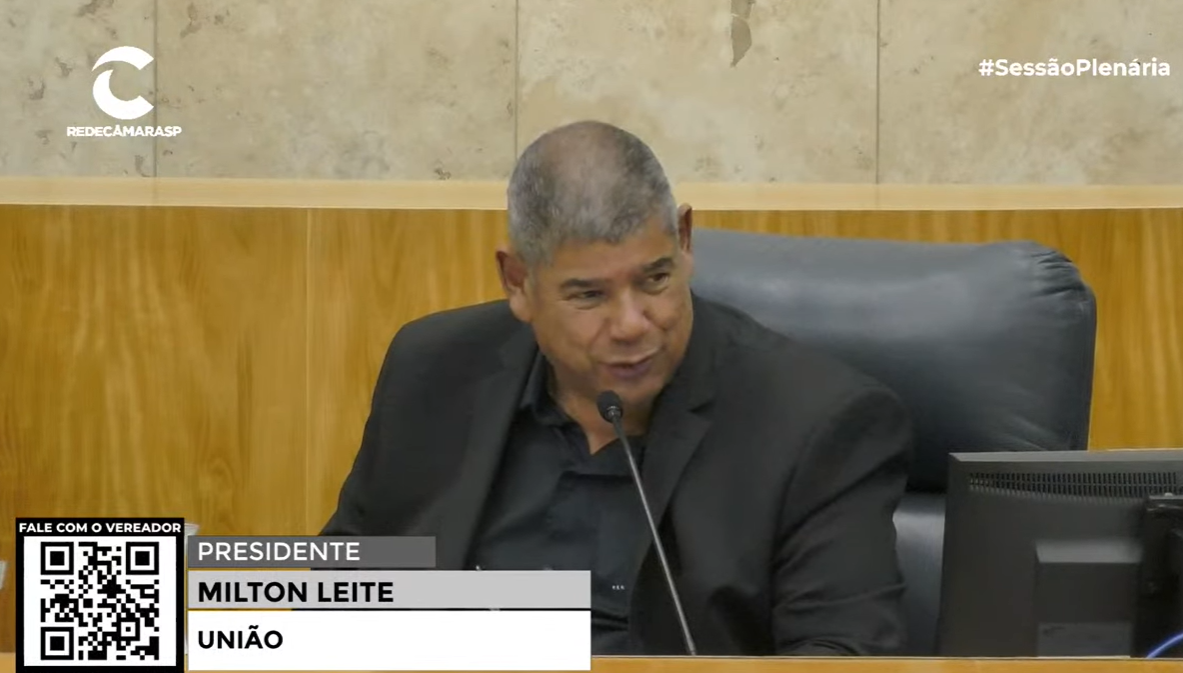
Last week, two relevant police operations against organized crime were carried out across the country. A country-wide operation against criminal organizations carried out by the FICCOs (Forças Integradas de Combate ao Crime Organizado) on Wednesday, September 16, resulted in 106 arrests across 19 states. On Thursday, September 17, parallel investigations in São Paulo targeted the infiltration of factions into public transportation companies, including an investigation into former city councilor and former President of the Municipal Chamber, Milton Leite.
This Content Is Only For Subscribers
To unlock this content, subscribe to INTERLIRA Reports.
The FICCOs Mega-Operation
The FICCOs conducted a coordinated action across 19 states to tackle drug trafficking, arms trafficking, money laundering, violent criminal organizations, and other offenses related to organized crime. According to the Federal Police (PF), the Força Integrada IV Operation led to the execution of 173 search and seizure warrants and 106 arrests. Additionally, R$ 508.3 million in judicial freezes on assets and financial resources were issued. Teams also seized 7 firearms, 49 rounds of ammunition, 11 kg of cocaine, and 90 kg of marijuana. Furthermore, 18 vehicles (valued at R$ 1.6 million) and R$ 171.8 thousand in cash were seized.
Former City Councilor Targeted in Operation Against PCC Infiltration
Former city councilor and former President of the Municipal Chamber, Milton Leite, is targeted in VecturaCorrupta Operation, which aims at the infiltration of the First Capital Command (PCC) into São Paulo’s public transit system. A total of 13 arrest warrants and 18 search and seizure warrants were executed, with most targets holding leadership roles within the faction, according to the Polícia Civil. The operation concluded with 10 arrests. According to São Paulo’s Public Ministry (MP-SP), the PCC controlled 12 out of the capital’s 22 bus companies.
Analysis:
The two cases suggest an evolution in the way organized crime exploits local infrastructure in Rio de Janeiro. Rather than relying solely on drug trafficking or territorial control, criminal groups are increasingly seeking to capture legitimate economic activities and transform essential services into sources of revenue and influence. The reported cooperation between criminal factions and nominally legitimate providers is particularly significant because it can create a hybrid structure in which legal businesses become instruments for sustaining criminal monopolies.
From a corporate security perspective, the main concern is the convergence of territorial control, infrastructure vulnerability, and coercion. Companies operating in communities or strategic areas where criminal groups exercise influence should consider telecommunications, access control, contractor movements, and physical infrastructure as interconnected security risks. The cases also demonstrate that attacks against seemingly ordinary services can be used to reinforce criminal governance and restrict the operational freedom of legitimate companies.
Sources: Estadão Mato Grosso; Valor; Gov.br; CNN; Poder 360; UOL; A Folha de SP; G1 [1], [2].

