


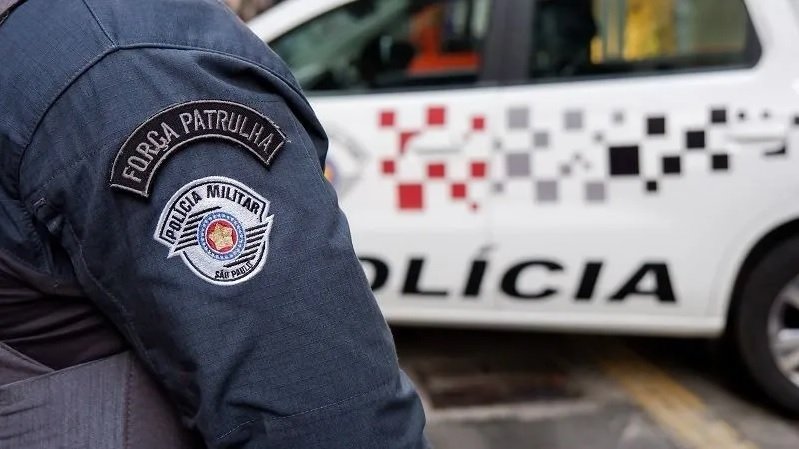
Military and Civil Police officers killed 650 people in the state of São Paulo between January and October 2025. This was the second-highest number of deaths caused by security forces in the past five years, surpassed only by 2024—a year marked by Operation Summer, which officially resulted in 56 deaths and became the deadliest police action in the history of the São Paulo Military Police since the Carandiru Massacre. The data indicates that, under Governor Tarcísio de Freitas (Republicanos), the state has experienced a reversal in the downward trend of police lethality. Under the previous administration, led by João Doria (former PSDB), deaths caused by security agents fell by 54% between 2020 and 2022.
This Content Is Only For Subscribers
To unlock this content, subscribe to INTERLIRA Reports.
Increase in Cases
During an equivalent period under Tarcísio’s administration, São Paulo recorded a 69% increase in police lethality when comparing January-to-October figures year over year—data for November 2025 have not yet been released. The statistics include incidents involving officers both on and off duty. Prior to the current administration, police-related deaths had reached their lowest level in two decades.
Unarmed People
Cases involving the killing of unarmed individuals who posed no immediate threat showed varied outcomes throughout the year. In July, for instance, 26-year-old carpenter Guilherme Dias Santos Ferreira was shot in the back while running to catch a bus after leaving his job at a furniture factory in Parelheiros, in São Paulo’s southern zone. The officer responsible, Fabio Anderson Pereira de Almeida—off duty at the time and claiming he mistook Guilherme for a robbery suspect—was arrested more than a month later and spent less than two weeks in custody. In contrast, other incidents led to arrests of officers caught on camera using lethal force against unarmed individuals. In June, a homeless man was killed by rifle fire after being held by police for more than an hour. In July, a police pursuit in the Paraisópolis favela, also in the southern zone, ended with the death of a suspect who had his hands raised.
Body Cameras
The functioning of body cameras used by the Military Police—updated with new equipment acquired during Tarcísio’s administration—played a crucial role in gathering evidence in these cases. The killing of homeless man Jeferson de Souza Santos, 23, was recorded only because the older Axon camera model continuously records audio and video even without manual activation. In the Paraisópolis case, the incident was captured thanks to remote activation, a feature available in the newer Motorola cameras. When one device is manually activated, it automatically triggers recording on other cameras within a 20-meter radius.
Regions
Data also shows that the regions of Ribeirão Preto, Campinas, and Piracicaba in the interior of São Paulo state, as well as the municipalities of São Bernardo do Campo and Guarulhos in the metropolitan area, recorded the largest increases in police lethality in 2025 compared to the previous year.
Analysis:
The rise in police lethality in São Paulo in 2025 represents a clear inflection point in the state’s public security trajectory. After years of sustained decline under the previous administration, the return to levels approaching historical highs suggests a shift in operational doctrine and political signaling under Governor Tarcísio de Freitas. The scale of lethal outcomes, particularly when compared to the lowest levels recorded in two decades, indicates that enforcement strategies have increasingly prioritized confrontation over containment. This reversal raises concerns about the long-term effectiveness of such an approach, given the well-documented relationship between high police lethality, community mistrust, and reduced cooperation with law enforcement.
The profile of several incidents involving unarmed individuals highlights persistent weaknesses in use-of-force protocols and accountability mechanisms. Cases in which officers misidentified suspects or used lethal force against individuals who posed no immediate threat point to failures in training, situational assessment, and command oversight.
At the same time, the expanded use of body cameras has emerged as one of the most significant mitigating factors in this context. The ability of both older and newer camera systems to capture incidents that might otherwise go undocumented has been crucial in reconstructing events and enabling judicial scrutiny.
Sources: A Folha de SP.

