


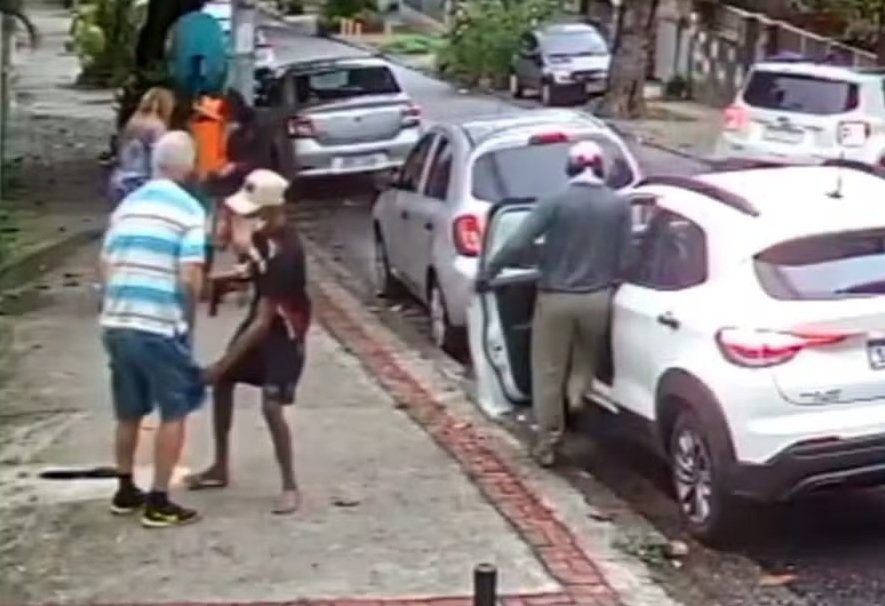
Among the city of Rio de Janeiro’s 147 neighborhoods, 36 recorded an increase in vehicle thefts in the first half of this year compared with the same period in 2024. Of these, three are located in the West Zone: Inhoaíba, with a 150% increase; Cosmos, up 72.7%; and Guaratiba, with a 36.4% rise. In absolute terms, however, the neighborhoods with the highest number of reported cases in the region were Bangu, with 222 incidents, and Campo Grande, with 198. The city’s central region stood out as the only area in which none of its neighborhoods registered an increase in vehicle thefts during the first six months of the year compared to 2024.
This Content Is Only For Subscribers
To unlock this content, subscribe to INTERLIRA Reports.
West Zone
Inhoaíba, which was separated administratively from Campo Grande in the 1990s, recorded ten vehicle thefts between January and June this year—150% more than the four cases reported in the same period of 2024. Cosmos registered 19 incidents in the first half of 2025, a 72.7% increase compared with the 11 cases recorded a year earlier. Guaratiba reported 30 vehicle thefts during the same period, representing a 36.4% rise from the 22 cases recorded in the first half of last year. Ilha de Guaratiba, meanwhile, recorded one case between January and June this year, whereas no incidents were reported in the same period of 2024. All other neighborhoods in the West Zone registered a decline in vehicle thefts.
West Zone Neighborhoods
In absolute numbers, check below the list of West Zone neighborhoods in Rio with the most cases of vehicle theft in the first half of this year:
– Bangu: 222 cases
– Campo Grande: 198
– Realengo: 117
– Padre Miguel: 54
– Santa Cruz: 41
– Guaratiba: 30
– Senador Camará: 30
– Deodoro: 30
– Jardim Sulacap: 24
– Santíssimo: 21.
City Center
In percentage terms, Gamboa—where one vehicle theft was recorded in the first six months of 2025—and Paquetá, which registered no cases, maintained the same levels observed in the first half of 2024. All other neighborhoods in the central region recorded a decrease in vehicle thefts. Lapa and Saúde stood out with the largest proportional declines: they recorded one and two cases, respectively, in the first half of last year, and reported no incidents in the same period of 2025, representing a 100% reduction.
Neighborhoods in the Central Region
Check out how many vehicle thefts were registered in the neighborhoods of the central region of the city from January to June 2025:
- Santa Teresa: 14 (26.3% reduction)
- Estácio: 17 (32% reduction)
- Rio Comprido: 28 (40.4% reduction)
- Centro: 35 cases (14.6% reduction compared to the same period in 2024)
- Cidade Nova: 12 (50% reduction)
- Santo Cristo: 11 (8.3% reduction)
- Gamboa: 1 (same number as the first half of 2024)
- Catumbi: 1 (88.9% reduction)
- Paquetá: 0 (no cases in the first half of 2024)
- Lapa: 0 (one case in the previous period)
- Saúde: 0 (two cases in the period) (previous)
Analysis:
The data on vehicle thefts in Rio de Janeiro reveal a highly uneven territorial pattern, suggesting that local dynamics matter more than citywide trends. The concentration of increases in specific West Zone neighborhoods such as Inhoaíba, Cosmos, and Guaratiba points to micro-regional vulnerabilities, including weaker surveillance, longer response times, and road networks that facilitate quick escape routes. At the same time, the high absolute numbers in Bangu and Campo Grande indicate that densely populated areas with intense vehicle circulation remain structurally exposed, even when percentage growth appears more contained.
The contrasting performance of the city’s central region is particularly noteworthy. The absence of growth in vehicle thefts across all central neighborhoods, combined with sharp proportional declines in areas like Lapa and Saúde, suggests a sustained impact of focused policing, urban reorganization, and increased monitoring in zones with high commercial and tourist activity.

