


SUMMARY
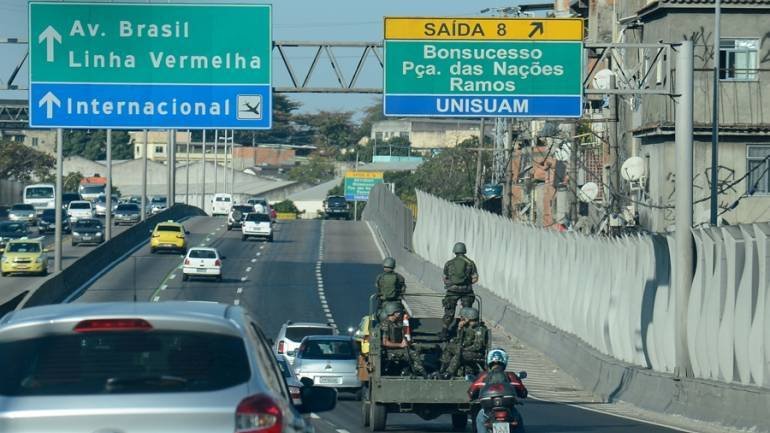
Urban circulation in Rio de Janeiro has become increasingly shaped by the pressures of armed conflict, criminal activity, and public-security operations that unfold around its main expressways. Far from being isolated incidents, the frequent confrontations and forced closures on corridors such as Avenida Brasil, Linha Vermelha, and Linha Amarela reflect a long-standing and structural dynamic in the metropolitan region. These highways are bordered by densely populated communities where rival criminal factions, militias, and police forces often engage in territorial disputes or targeted operations. Rio de Janeiro’s key corridors like Avenida Brasil, Linha Vermelha, and Linha Amarela are not merely transportation infrastructure, but frontlines shaped by confrontations between factions, police operations, and criminal opportunism. As a result, violence occurring inside these neighborhoods rapidly spills onto the major routes, transforming strategic circulation routes into unpredictable and high-risk environments.
Such conditions profoundly reshape daily routines. Shootouts disrupt the circulation of millions of commuters and frequently paralyze bus systems. Drivers are forced to stop, flee, or take improvised evasive actions. The economic consequences ripple outward through lost work hours, delivery delays, school shutdowns, and the interruption of essential public services. At the same time, prolonged exposure to danger—whether from gunfire, standstills, or sudden blockages—contributes to chronic stress and a growing sense of vulnerability among residents who depend on these corridors.
Understanding the intersection between mobility and armed violence is essential not only for diagnosing the scope of the problem but also for recognizing how these key roadways have become central stages where security, transportation, and urban life collide daily.
Barricades and the “Barricada Zero” Program
For years, many neighborhoods in the city and surrounding cities have suffered from illegal barricades — physical blockades set up by criminal factions to control territory and restrict the free flow of people, vehicles, and essential services. These obstructions, composed of concrete blocks, tires, debris, sometimes even burned-out cars, created de facto barriers that compromised transportation flow, access to public transportation, rescue services, deliveries, and everyday life for millions of residents.
To counter these issues, the state government launched the Barricada Zero program in late November 2025. In its first days, the operation removed about 92 tons of barricade materials across multiple communities of the city and neighboring cities.
As the operation intensified, by the end of its first week the authorities reported having removed 1,800 tons of obstacles — a massive effort across zones such as the Zona Norte (Cidade Alta), parts of the Baixada Fluminense, and other regions where blockades were previously mapped.
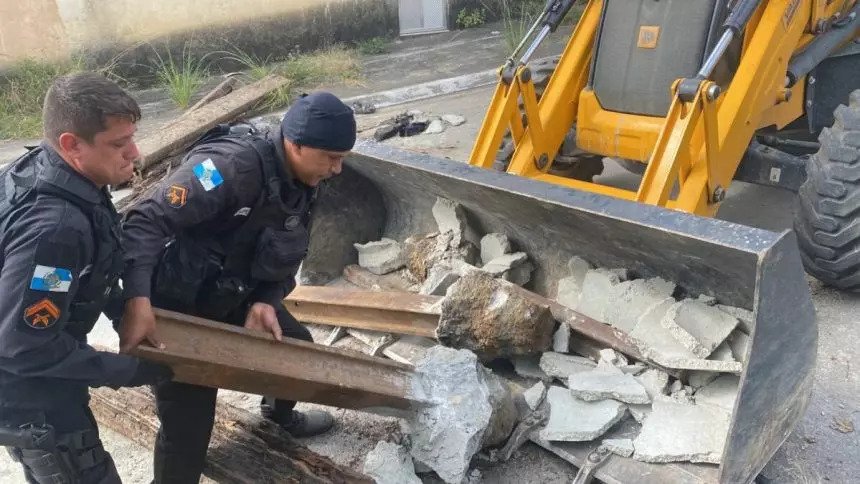
As a result, the operation reopened previously restricted streets and restored key mobility routes: roads that had been blocked for months — or even years — became usable again, allowing the passage of public transit, ambulances, delivery vans, and residents’ own cars. In some places, this meant reestablishing access to public services, schools, and markets, which had been severely disrupted.
Yet the operation also revealed how entrenched the problem is. In some areas, barricades were rebuilt within hours or days of removal. In the process, the state mobilized hundreds of police officers and municipal staff, using heavy machinery, and in certain operations, arrests were made.
The scale of the effort — thousands of tons removed, dozens of neighborhoods reached — demonstrates that the barricades were more than isolated incidents: they formed a widespread network of territorial control that deeply impacted urban circulation and the basic right of free circulation.
In sum, Barricada Zero represents a significant institutional attempt to restore that right, but the data also reveal the depth and persistence of the challenge. Only a sustained effort can prevent the reinstallation of barricades and ensure real access and mobility for all citizens.
However, territorial blockages are only one dimension of the transportation flow crisis. Armed confrontations along the main highways further amplify the instability of daily travel.
Violence on Expressways
Rio de Janeiro’s major highway corridors—Avenida Brasil, Linha Vermelha and Linha Amarela—have increasingly become zones where armed violence and mobility disruption intersect. Shootouts near these routes are not isolated events but part of a long-standing security dynamic driven by territorial disputes between criminal factions, militia groups, and the police presence in surrounding communities. Because many favelas sit meters away from these highways, any confrontation inside them can quickly spill onto the expressways, forcing sudden shutdowns and placing commuters directly in harm’s way.
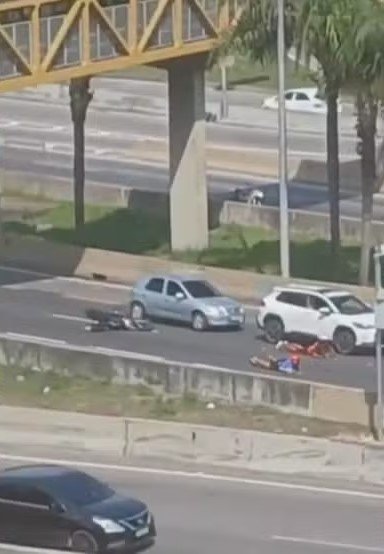
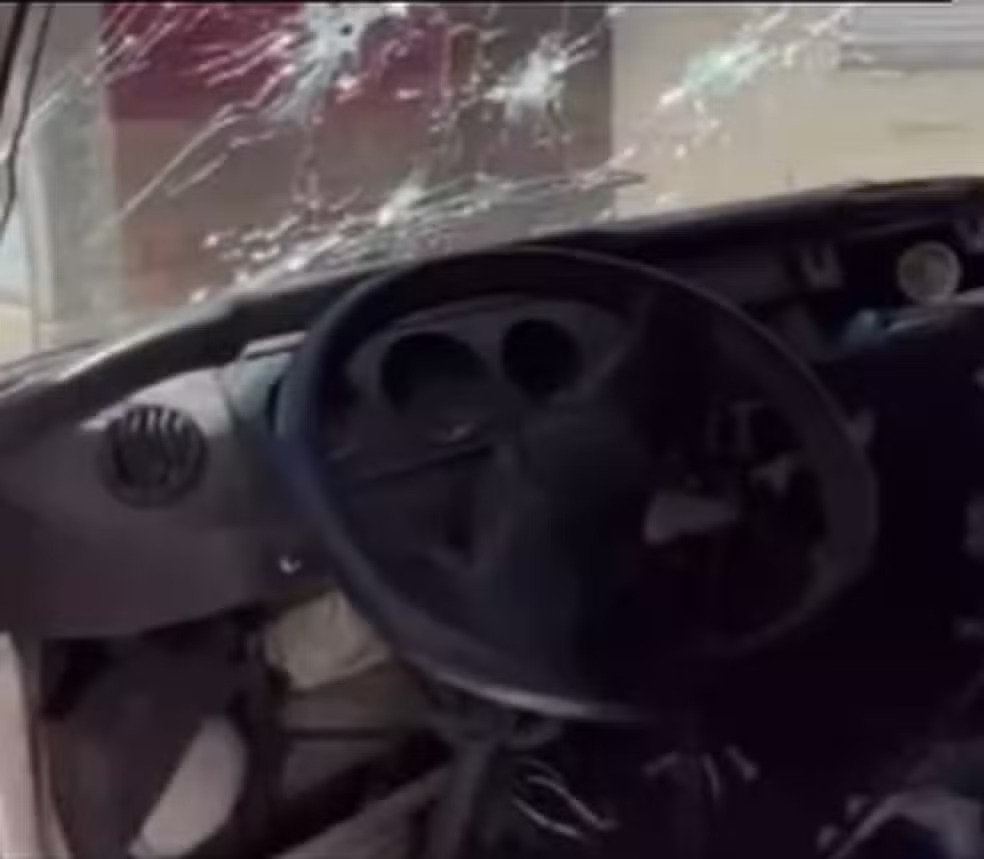
Several recent incidents illustrate the scale of the problem. On October 31, a woman inside a car of a ride-hailing app received a stray bullet and diedwas killed, and a man was injured during a shootout on Linha Amarela, near Vila do Pinheiro, in the Maré complex. According to the Military Police, the confrontation involved rival criminal groups and led to the closure of the highway in both directions. Drivers panicked, reversing or driving against traffic to escape the gunfire, while others abandoned their cars and hid behind vehicles.
Less than a month later, on November 26, an emergency Civil Police operation triggered another intense shootout near Vila do João. Police operations forced the closure of Linha Vermelha and Linha Amarela during the morning. Three suspects were killed, one was arrested, and a 12-year-old boy was struck by a stray bullet inside a schoolyard. In addition, a stray bullet hit a classroom of the Federal University of Rio de Janeiro, leading to the suspension of classes on the Fundão.
Data from the Fogo Cruzado Institute further illustrates the persistent risk. Since 2021, 51 people have been shot on the three main expressways in Rio —25 killed and 26 injured—across 93 documented shootings. Avenida Brasil alone accounted for 30 shootings and 17 deaths between 2021 and mid-2024, and in 2025, at least 18 shootings were recorded around Avenida Brasil, all linked to police operations.
Shootings also trigger immediate operational consequences. According to COR-Rio, Avenida Brasil was totally or partially closed 11 times in the first half of 2025 due to public-security incidents, while Linha Vermelha registered four closures in the same period. In 2024, the numbers were similarly high: 12 shutdowns on Avenida Brasil and three on Linha Vermelha. Such shutdowns disrupt bus lines, delay freight transport, block emergency vehicles, and create hours-long gridlock.
As violence repeatedly immobilizes the city’s main arteries, expressways become not only sites of confrontation but also vulnerable spaces where stalled traffic leaves commuters exposed to additional forms of urban insecurity.
Beyond armed clashes, highway corridors are also affected by opportunistic crimes that thrive in moments of congestion and vulnerability.
Vehicle Robberies and Thefts on Major Corridors
Expressways across Rio de Janeiro and its metropolitan region have become increasingly volatile, with sudden waves of robberies, mass thefts, and assaults creating an atmosphere of fear for drivers and commuters. Recent incidents reported by major outlets describe coordinated attacks that caused panic on important routes such as the Linha Amarela, BR-101, and other high-traffic corridors. In one episode, on November 8, groups of armed individuals forced vehicles to stop, taking belongings and creating a sense of vulnerability that spread across social media and messaging groups. A survey released by G1 on November 10, documented a surge of assaults on the Linha Amarela, where drivers have repeatedly reported being approached at traffic lights or during slow-moving congestion, making the route one of the most concerning for daily commuters.
Crime statistics reinforce the perception of deteriorating safety conditions. According to the multi-year dataset provided, vehicle robberies in the city of Rio de Janeiro have fluctuated but remain at elevated levels, rising from 12,147 cases in 2021 to 17,302 in 2024. Cargo robberies also show persistent activity, reaching more than 1,700 cases in 2024. Although early data for 2025 indicates a partial reduction—10,738 vehicle robberies and 1,095 cargo robberies so far—the numbers remain substantial, particularly when considering the cumulative total of more than 391,000 vehicle robberies recorded across the full period analyzed. Monthly breakdowns reveal recurring spikes, often associated with criminal groups exploiting traffic jams or poorly lit areas.
The combined effect of these incidents is a transportation system increasingly marked by unpredictability. Reports from BR-101 suggest a 52% surge in robberies in Rio de Janeiro Metropolitan Region, contributing to a climate in which both commercial transportation and personal mobility are exposed to significant risk. As authorities attempt targeted operations to restore order, the data shows that roadway crime remains one of the most pressing public-security challenges in the state.
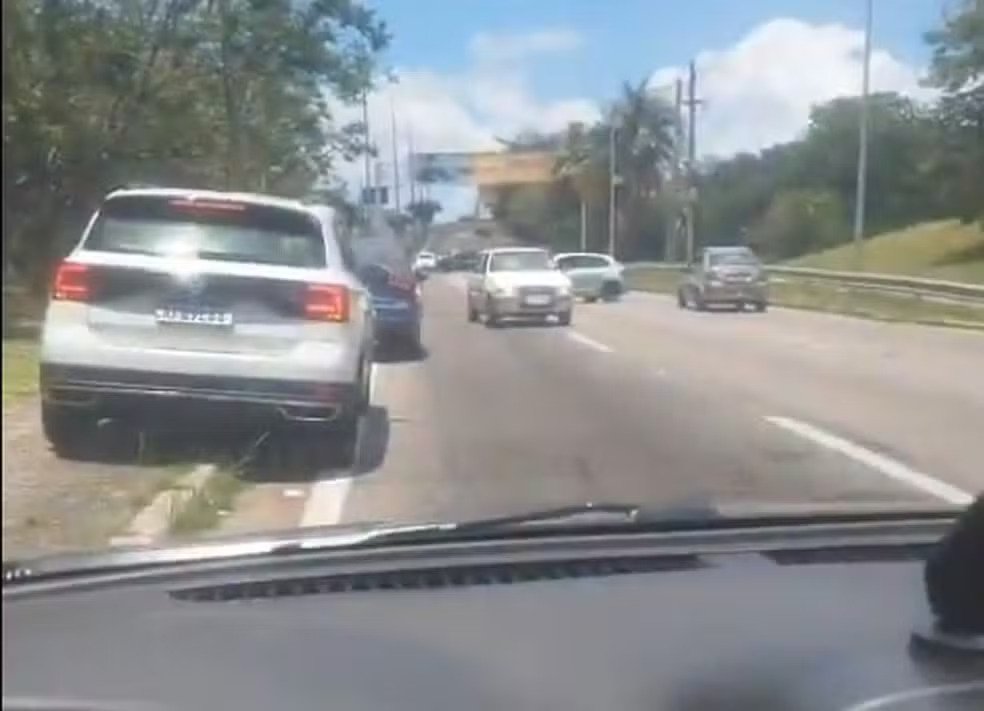
When these different phenomena overlap — barricades, exchanges of gunfire, blockages, and vehicle robberies — the result is a multifaceted breakdown in circulation.
Practical Recommendations for Navigating Critical Events on Expressways
Given the recurring instability that affects major expressways in Rio de Janeiro, companies, logistics operators, and professional drivers must adopt preventive strategies to minimize disruptions and enhance safety during unexpected crises. While structural solutions depend on long-term public policies, daily operations can be strengthened through planning and real-time adaptation.
Businesses should develop contingency routing plans that incorporate updated risk maps, enabling teams to redirect vehicles quickly when shootings, police operations, or sudden closures occur. Furthermore, travel schedules should be adjusted, whenever possible, to avoid peak traffic hours (7:00 AM – 9:30 AM and 5:00 PM – 7:30 PM) and high-risk periods (late night to early dawn, 11:00 PM – 5:00 AM).
The ideal time to travel is when there is steady flow—enough cars to feel safe, but fast enough to keep moving:
- Mid-Morning to Mid-Afternoon (10:00 AM – 3:00 PM): Traffic usually flows well, and daylight provides better visibility and safety.
- Weekends (Daytime): Generally smoother, though Sunday evenings can see heavy traffic returning from beaches/weekend trips.
Maintaining direct communication with drivers—through apps, radio channels, or operations centers—is essential for implementation of emergency plan and rapid response. Monitoring official alerts from COR-Rio, traffic agencies, and trusted community networks helps anticipate critical events and avoid high-risk segments.
Adopting standardized safety protocols, this includes avoiding prolonged stops near access points to vulnerable communities, identifying safe escape routes, keeping vehicle doors locked, not making phone calls and always maintaining high situational awareness. During active shootings or violent disruptions, the priority should always be to safely take cover.
By combining preparation, situational awareness, and structured communication, organizations and individuals can reduce exposure to danger and mitigate operational losses.

