


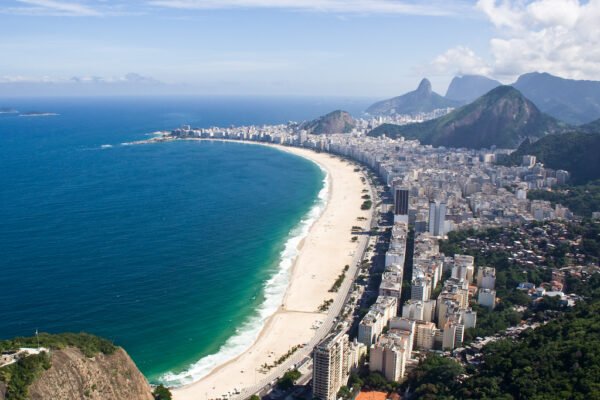
Residents of a building in Copacabana were once again left without electricity on Wednesday (18/02), just three days after the blackout that affected the neighborhood on Carnival Monday (16/02). The latest interruption reinforced a pattern of recurring outages in Copacabana and neighboring Leme, in Rio’s South Zone, where residents have faced repeated disruptions since the beginning of the year. During the early hours of Carnival Monday (16/02), large parts of both neighborhoods also went dark. Light, the local power utility, said the weekend outage was caused by an overload in the system and acknowledged that maintenance work is ongoing in the area’s underground network.
This Content Is Only For Subscribers
To unlock this content, subscribe to INTERLIRA Reports.
Generator Did Not Work
A resident posted a video on social media describing the situation and criticizing the instability of the emergency supply. According to him, the power went out around 13:00, when one of the generators supporting the street stopped operating. He said a component was replaced, but the electricity failed again soon afterward, suggesting that the temporary solution was unable to sustain demand. Light said the generators have been deployed since the weekend outage to assist technicians working on the renewal of the underground network. The company explained that, whenever it is necessary to shut down supply to carry out repairs, the generators are meant to activate and keep the area energized. According to Light, power was restored around 19:00, and teams remained on standby in case of further interruptions.
Blackout in the South Zone
Residents of Copacabana and Leme spent the early hours of Carnival Monday (16/02) without power after a widespread outage hit the South Zone. The problem had already affected the same region shortly after New Year’s, adding to complaints about service reliability during peak tourist periods. Light said the Carnival blackout was triggered by an overload in the system and reported that it mobilized generators and field teams to restore service. The utility stated that supply has since been normalized, but it did not specify how many streets or customers were affected, nor did it provide a detailed timeline for the restoration by area.
New Year’s Eve in the dark
In the first week of the year, Copacabana and Leme also endured a major blackout that lasted four days, deepening concerns among residents and local businesses. The incident occurred shortly after New Year’s Eve, when the neighborhoods, like during Carnival, experience a sharp increase in visitors and higher demand on infrastructure. At the time, Light said the failure was linked to an episode of cable theft, which damaged parts of the network and delayed repairs. The recurrence of outages within a short span has fueled calls for clearer communication from the utility, faster contingency responses, and longer-term upgrades to reduce the impact of overloads, theft-related failures, and maintenance shutdowns in one of Rio’s busiest districts.
Analysis:
The recurrence of power outages in Copacabana and Leme during peak tourist periods points to structural weaknesses in the local distribution network rather than isolated technical failures. When blackouts cluster around moments of maximum demand, New Year’s Eve and Carnival—the pattern suggests that the system is operating close to its capacity limits. Explanations such as overloads and cable theft may each be valid in specific instances, but the frequency of disruptions indicates cumulative stress on aging underground infrastructure in one of Rio’s most densely populated and commercially active districts.
The reliance on temporary generators as a contingency measure reflects an operational response designed to mitigate service interruptions during maintenance. However, the reported failure of backup equipment reveals the limits of stopgap solutions when demand remains high, and network renewal is still underway.

