


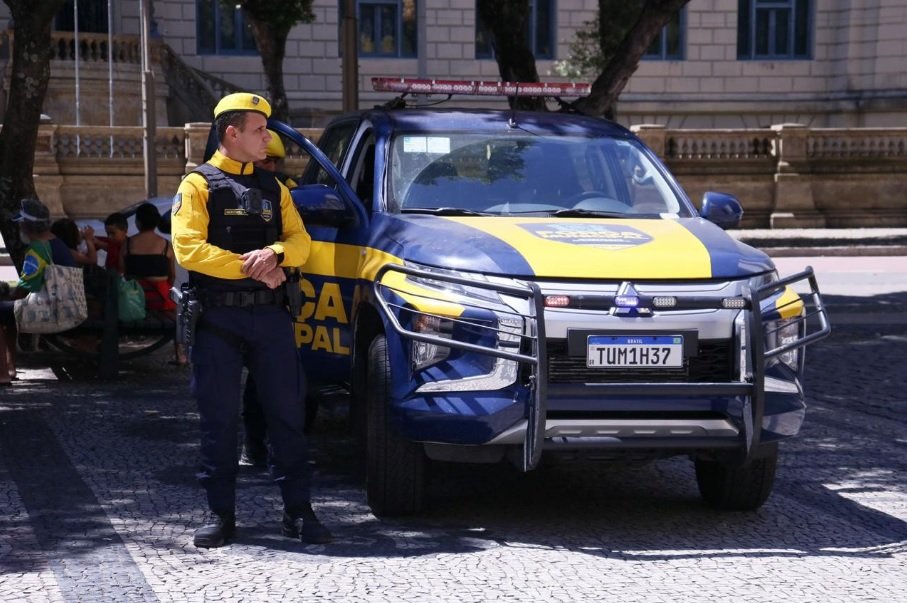
On Tuesday (25/08), Urban Security Secretary Brenno Carnevale presented a report on incidents recorded during the first five months of operation of Rio de Janeiro’s Municipal Force. During this period, agents carried out more than 12,000 stops and made 1,126 arrests or referrals to police stations. The force also recovered or seized 254 cell phones, 227 motorcycles, one pistol, 17 replica firearms, and 70 bladed weapons.
This Content Is Only For Subscribers
To unlock this content, subscribe to INTERLIRA Reports.
Seizures
According to the secretary, many of the motorcycles seized by the Municipal Force had been used to commit crimes such as theft and robbery. The force continues to focus primarily on preventive policing, seeking to curb thefts and robberies before they occur. Agents operate with body cameras and maintain a visible presence in designated areas as part of the city’s efforts to strengthen public security.
Prevention
Armed guards conduct visible and preventive patrols at locations and during periods determined through the analysis of crime hotspots and statistical data. Areas with higher concentrations of robberies and thefts are given priority in the deployment of Municipal Force personnel. This policing model allows agents to be positioned at strategic locations according to the criminal patterns and public security conditions identified in each region.
Areas of Operation
The Municipal Force currently operates in several strategic areas across Rio de Janeiro, including Jardim de Alah; the Rio Bus Terminal (Rodoviária do Rio); Presidente Vargas Avenue; Campo de Santana; Central do Brasil and Cinelândia; Lauro Müller Street; General Severiano Street and Venceslau Brás Avenue; Botafogo Metro Station; São Clemente Street and Voluntários da Pátria Street; Botafogo Beach and Marquês de Abrantes Street; Bangu, Jardim Oceânico Terminal and Praça do Ó; Ayrton Senna Avenue and Américas Avenue; and Freguesia and Jacarepaguá; and more.
Analysis:
The first five months of Rio de Janeiro’s Municipal Force indicate a significant expansion of municipal involvement in public security, particularly in areas affected by recurrent theft and robbery. More than 12,000 stops and 1,126 arrests or referrals demonstrate a high level of operational activity, while the recovery of hundreds of cell phones and motorcycles suggests that the force is encountering crimes closely associated with urban mobility and street theft. However, these figures should not be interpreted solely as evidence of effectiveness. The most important measure will be whether sustained deployment in crime hotspots produces measurable reductions in victimization and whether arrests lead to successful investigations and prosecutions.
The force’s emphasis on preventive patrols and data-driven deployment is strategically appropriate for the types of crime it is targeting. Concentrating personnel in locations and periods associated with higher rates of theft and robbery can increase the perceived risk for offenders while allowing limited municipal resources to be allocated more efficiently.
Sources: O Globo.

