


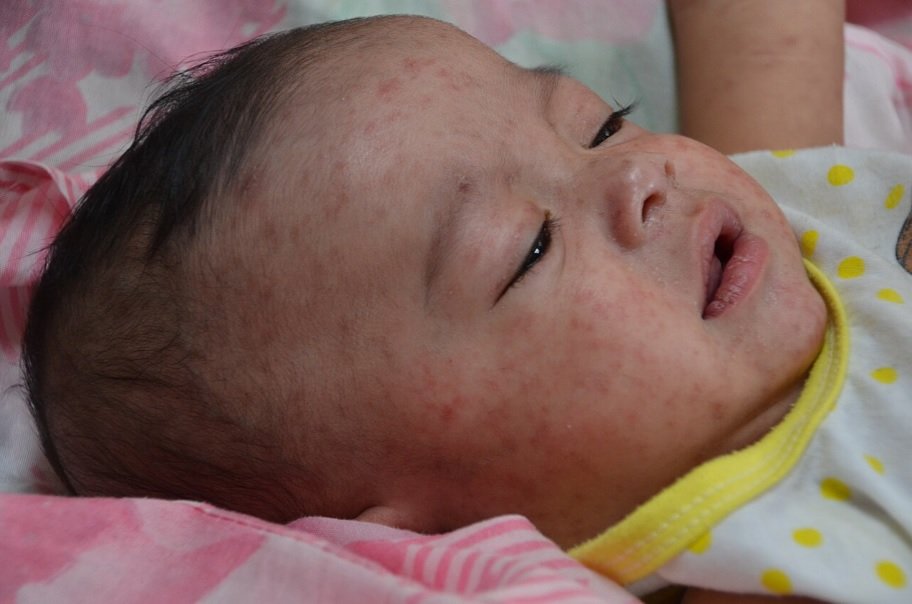
The city of São Paulo has two new cases of measles. The patients are an infant under one year of age and a woman in her 40s. This information comes from the São Paulo State Health Secretariat. Although confirmed this Tuesday (01/09), the cases are linked to two transmission chains dating back to July and August. Of the 28 measles cases in the state in 2026, 25 occurred in the city of São Paulo, two in São Bernardo do Campo (in the ABC region), and one in Guarulhos (in the metropolitan area). Twenty of the patients were either unvaccinated against the disease or had an incomplete vaccination schedule.
This Content Is Only For Subscribers
To unlock this content, subscribe to INTERLIRA Reports.
2025
Throughout last year, two cases were recorded in the state of São Paulo. In total, four measles transmission chains were identified in the state of São Paulo in 2026. The first, recorded between March and April and linked to two confirmed imported cases, was closed after 12 weeks. Those detected in June, July, and August remain under monitoring by state and municipal epidemiological surveillance groups.
Monitoring
Teams investigate the cases and identify and monitor individuals who have had contact with the patients. In the event of suspected or confirmed cases, health professionals assess the need for vaccination and other measures to halt the virus’s circulation.
Symptoms
Measles is a contagious viral disease transmitted through the air, particularly in enclosed spaces with high foot traffic. Key symptoms include high fever, cough, runny nose, conjunctivitis, and reddish skin spots, which usually appear 7 to 14 days after exposure. Transmission occurs from person to person via airborne droplets released when coughing, sneezing, speaking, or breathing.
Vaccination
According to the São Paulo State Health Secretariat, more than 2.5 million doses of the MMR vaccine (measles, mumps, and rubella) were administered in August. Of these, 2.4 million were in cities that expanded the immunization strategy to the population aged 6 months to 59 years—2 million in the capital, 230,100 in Guarulhos, and 169,500 in São Bernardo do Campo. This Tuesday marked the final day of the National Multi-Vaccination Campaign—aimed at updating the vaccination records of children and adolescents under 15—as well as the intensified measles vaccination drive in the three municipalities. Even with the conclusion of these campaigns, vaccines remain available at Basic Health Units (UBSs) in accordance with the routine schedule.
Analysis:
The confirmation of two additional measles cases in São Paulo brings the state’s 2026 total to 28, with the overwhelming majority concentrated in the capital. The epidemiological pattern is particularly concerning because 20 patients were unvaccinated or had incomplete vaccination schedules, indicating that gaps in immunization remain a significant driver of transmission. Although the number of cases is still limited compared to large outbreaks, measles have an exceptionally high transmission capacity, particularly in crowded indoor environments. The existence of four separate transmission chains also demonstrates that imported cases can generate sustained local circulation when susceptible populations are present.
Sources: G1; A Folha de SP.

