


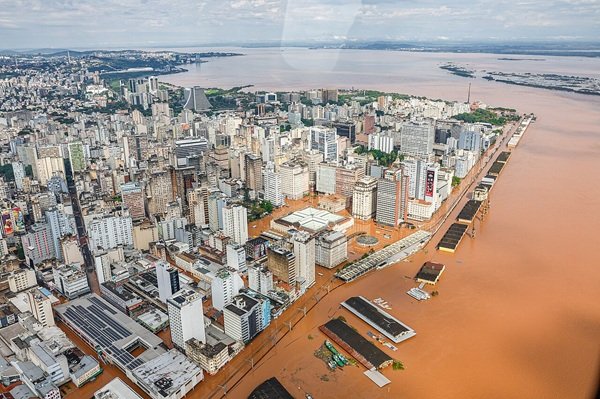
Spring began this week in Brazil, bringing a shift in climate due to the El Niño weather phenomenon: the abnormal warming of Pacific Ocean waters that alters wind patterns and rainfall across several parts of the planet. Under its influence, the typical pattern in Brazil involves increased rainfall in the South and reduced rainfall paired with higher temperatures in the North and Northeast. In addition to this, there is an aggravating factor: this year’s phenomenon is already classified as “very strong”, the highest level on the scale used by the National Oceanic and Atmospheric Administration (NOAA). The forecast indicates that it will gain intensity in the coming months until reaching its peak between November and December, only losing strength in the autumn of 2027.
This Content Is Only For Subscribers
To unlock this content, subscribe to INTERLIRA Reports.
Extreme Weather Phenomena
During the period under the effect of El Niño in Brazil, a scenario of strong regional climate contrasts is expected. The South faces heavy and frequent rains, with a high risk of storms and flooding. The Southeast transitions from a mild and rainy start to intense heat alternated with severe storms. The Center-West suffers from above-normal temperatures and reduced precipitation. Meanwhile, the North and Northeast experience worsening drought, extreme heat, prolonged dry spells in critical rivers (such as the Rio Negro), and an elevated risk of wildfires in the interior and across the Amazon.
Human Impact
The climate phenomenon poses significant human risk. According to estimates from the University of Chicago’s Climate Impact Lab released this Wednesday, September 23, the current El Niño could cause 451,000 deaths due to days of extreme heat, with 13,300 in Brazil alone. According to the report, Brazil is expected to be the fifth most impacted country by health damage from excessive heat, behind Nigeria (31,400 estimated deaths), Indonesia (19,300), Sudan (17,500), and India (15,800).
Increased Risks for Businesses
The potential occurrence of a high intensity El Niño in 2026 heightens risks to corporate security and business continuity in Brazil, primarily due to combined impacts on infrastructure, energy, supply chains, and technological systems. Prolonged droughts can lower reservoir levels and reduce hydroelectric generation, requiring greater reliance on thermoelectric power plants, which raises costs and increases the volatility of energy tariffs for companies. At the same time, extreme weather events can cause bottlenecks on highways, railways, and ports, making transportation more expensive, hindering the supply of raw materials, and compromising operational regularity. The effects on agriculture may also put upward pressure on food prices and contribute to inflation, with knock-on effects on operational costs and consumer spending. In crisis situations, the emergency use of remote networks and backup systems increases a company’s vulnerability to cyberattacks, system failures, and outages, demanding a more prepared approach to risk management and security.
Analysis
In Corporate Security, El Niño cannot be treated merely as a debate about the environment or sustainability: it is a true risk vector and threat multiplier. It amplifies the vulnerability of physical and digital infrastructure, strains the operational resilience of companies, and introduces a high degree of business unpredictability.
This growing unpredictability driven by the phenomenon requires risk management teams to urgently anticipate crisis scenarios. In this context, coordinated action between the government, which has already released R$ 64 million to mitigate impacts, the scientific community, and the productive sector is essential to mitigate human and economic losses, ensuring business continuity and stability in Brazil.
Sources: G1; Folha de SP; O Globo; UOL; Revista Seguro Total; cebds.

