


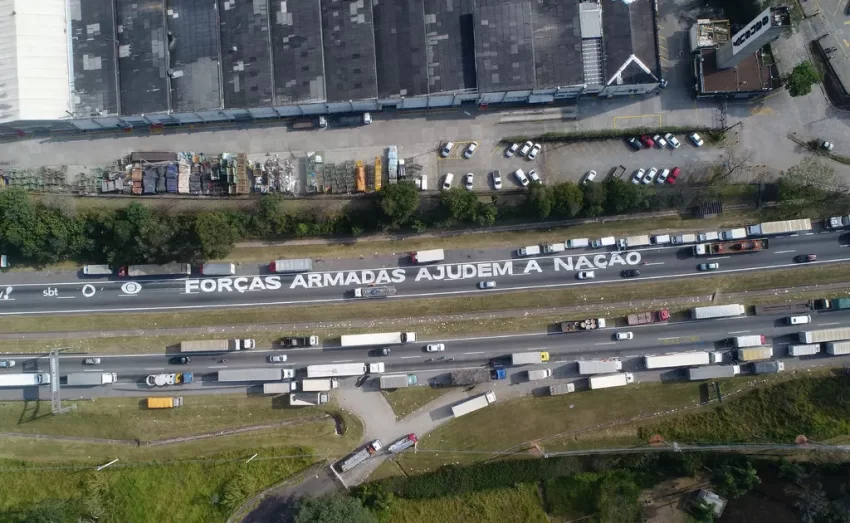
On Wednesday (18/03), truck drivers announced that they were discussing a nationwide strike. Later, after negotiations with the government, the movement was de-escalated and the strike suspended. The movement was triggered by two factors: surging diesel prices exacerbated by the ongoing conflict in Iran and widespread failure by transport companies to comply with the minimum freight rate table, stablished in 2018, when the last national strike took place. The threat level was high enough to prompt President Lula to publicly address the crisis, as the government sought to prevent severe economic disruptions and supply chain failures similar to the historic 2018 strike.
This Content Is Only For Subscribers
To unlock this content, subscribe to INTERLIRA Reports.
Mitigation and Government Response
The federal government successfully de-escalated the immediate threat through swift negotiations led by the Minister of the General Secretariat of the Presidency, Guilherme Boulos. The core of the government’s containment strategy was the publication of Provisional Measure (MP) 1.343/2026, which enforces strict compliance with the minimum freight floor.
Key regulatory and Enforcement Measures Include
- Enhanced Surveillance and Tracking: Implementation of mandatory registration for all transport operations using the CIOT (Transport Operation Identifier Code).
- Integrated Fiscalization: The National Land Transport Agency (ANTT) is uniting data with the IRS and local tax authorities to automatically monitor freight pricing. If the freight value is below the minimum floor, the system will not issue the required code, physically preventing the cargo from leaving its origin.
- Severe Penalties: Transport companies failing to pay the minimum freight face fines ranging from R 10 million, and risk having their operating registration (RNTRC) suspended or canceled for up to two years.
- Law Enforcement Action: The Federal Police has been mobilized to investigate potential fuel cartels.
- Fuel Price Guidelines: The publication of Decree 12.883/2026 establishes guidelines for a reference diesel price.
Analysis:
While major unions like CNTTL and Abrava have suspended the general strike, the category officially remains in a “state of strike”. The current pause is conditional; truckers at the Sindicam assembly in Santos agreed to a seven-day suspension to evaluate the government’s follow-through.
If the government fails to address pending demands—which include truck weight equalization and insurance regulations—within this window, the strike could be reactivated. To prevent this, Minister Boulos is scheduled to hold a critical follow-up meeting with trucker representatives on Wednesday, March 25, 2026, to negotiate these outstanding issues.
Sources: CNN Brasil; R7; Agência Brasil.

