
Summary
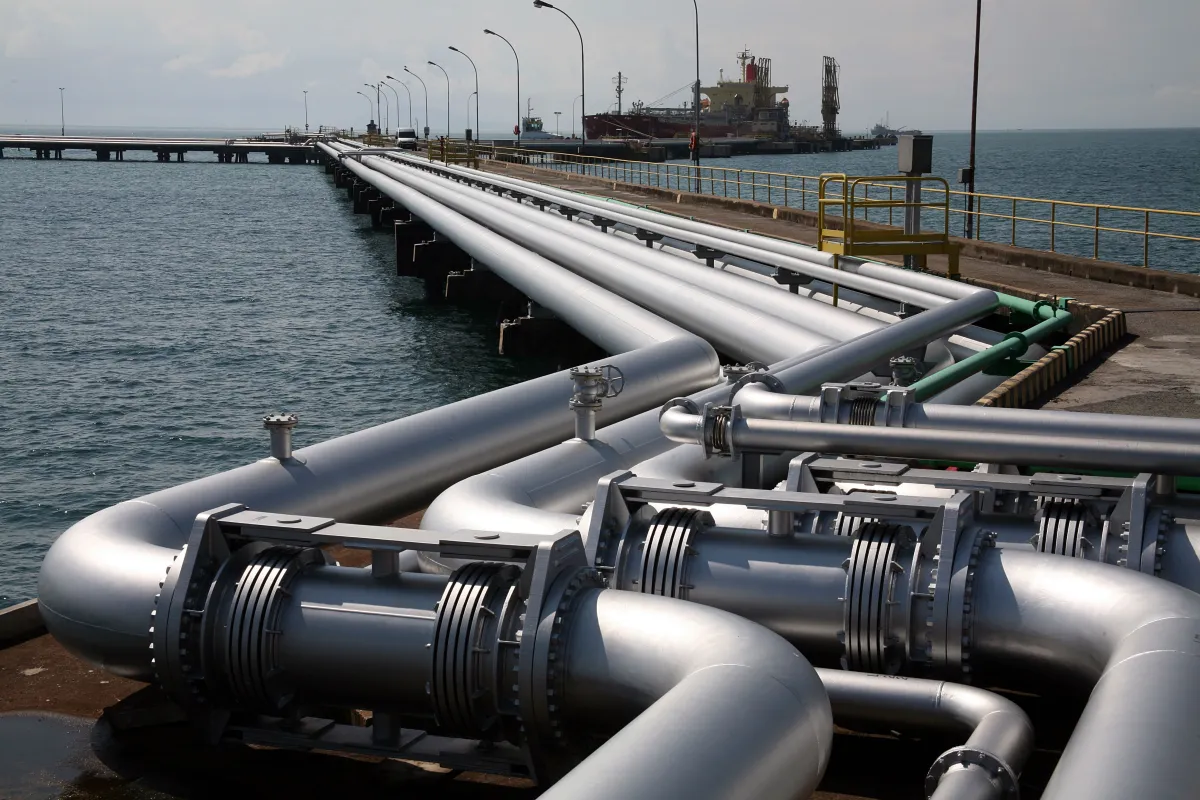
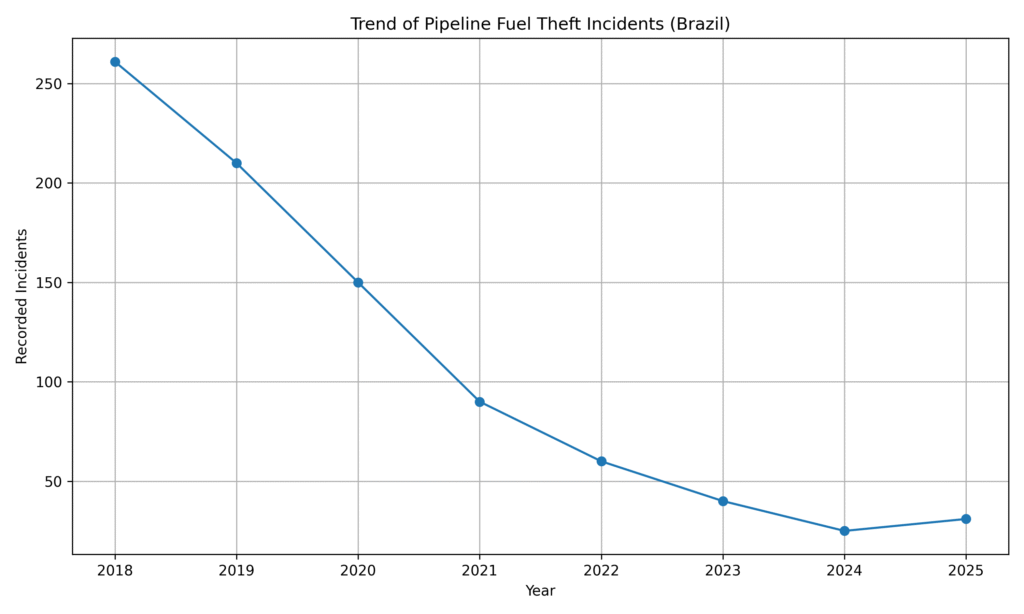
Pipeline fuel theft in Brazil has re-emerged as a multidimensional risk to critical energy infrastructure. Recent investigations, including Operation Haras, reveal increasingly sophisticated criminal networks engaging in clandestine perforations, armed site protection, and interstate distribution supported by fraudulent documentation. After six years of decline, incidents rose again in 2025, with a strong geographic concentration in São Paulo and signs of expansion along strategic pipeline corridors. Beyond financial losses, illegal tapping compromises infrastructure integrity, heightens health, safety, and environmental risks, and threatens operational continuity across a system vital to national fuel supply. The trend demonstrates that pipeline interference has evolved into a structural security challenge requiring sustained technological, institutional, and governance responses.
In addition, the surge in global oil prices driven by the conflict in the Middle East significantly intensifies the economic incentives for fuel theft in Brazil. This geopolitical volatility creates a high-reward environment for the sophisticated criminal networks already operating.
This Content Is Only For Subscribers
To unlock this content, subscribe to INTERLIRA Reports.
Recent Developments: Operation Haras
On January 22, 2026, the Civil Police of Rio de Janeiro and the Public Prosecutor’s Office of Rio de Janeiro (MPRJ) launched Operation Haras do Crime, targeting a structured criminal organization accused of siphoning crude oil through clandestine perforations in pipelines operated by Transpetro. The illegal tapping occurred within a rural property in Guapimirim, in the Baixada Fluminense region, known as Fazenda Garcia.
Authorities estimate that losses linked to the scheme exceed R$6 million. As of the latest update, seven individuals have been arrested. Thirteen arrest warrants and sixteen search and seizure warrants were executed across eight states — Rio de Janeiro, São Paulo, Maranhão, Minas Gerais, Espírito Santo, Paraná, Santa Catarina, and Sergipe — demonstrating the interstate and inter-regional reach of the network.
The investigation began in 2024 following a flagrant arrest related to petroleum theft at the same property. Law enforcement subsequently identified what officials described as an “integrated criminal cycle.” — an operation that typically requires specialized technical knowledge and detailed familiarity with pipeline infrastructure, sometimes obtained through individuals with prior industry experience — as well as armed protection of the tapping site, rapid transfer of crude oil into tanker trucks, and interstate transportation supported by falsified invoices issued by shell companies. Authorities reported the identification of dozens of recipient companies and front entities used to legitimize the product’s circulation.
Although the property belongs to members of the Garcia family — historically associated with Rio’s contraband networks and an illegal gambling scheme known as “Jogo do Bicho” — no arrest warrants were issued against family members, as investigators have not found evidence that they were aware of the illicit activity. Current lessees of the property are among the suspects.
The case reflects the operational sophistication, logistical coordination, and financial structuring now characterizing pipeline fuel theft in Brazil.
National Trends and Strategic Exposure
Transpetro has reported a renewed increase in illegal pipeline tapping incidents in 2025 — a practice that directly jeopardizes public safety, environmental integrity, and fuel supply continuity. After six consecutive years of decline, the company recorded 31 thefts or attempted thefts in its pipeline network, compared to 25 cases in 2024, interrupting a downward trend of nearly 90% since 2018, when 261 incidents were registered. In addition to financial damage, pipeline theft introduces operational vulnerabilities that can reverberate across the fuel supply chain. Operating approximately 8,500 kilometers of pipelines across Brazil, Transpetro manages a backbone of the national fuel distribution system, meaning that renewed criminal interference carries implications that extend beyond financial loss and directly affect infrastructure integrity, operational continuity, and public safety.
The resurgence of incidents is particularly concerning given the structural risks associated with clandestine perforations in pressurized pipelines. Illegal tapping creates latent weaknesses in the pipeline system, increases the probability of leaks or explosions, and may result in personal injuries and environmental contamination with long-term remediation costs. In addition to immediate product loss, such interference often requires preventive shutdowns, technical inspections, and coordination with law enforcement, potentially disrupting supply flows to critical infrastructure such as hospitals, airports, and ports. As such, the upward shift in incident numbers signals not only a criminal trend but also an elevated risk profile for Brazil’s energy logistics network.
São Paulo as the Primary Epicenter
The state of São Paulo concentrates more than 70% of the pipeline theft cases recorded nationwide, reinforcing its position as the primary epicenter of clandestine fuel diversion. Incidents in the state increased from 17 in 2024 to 22 in 2025, continuing a growth trajectory that had already been observed in 2023. This pattern suggests that the rise in cases cannot be interpreted as isolated or sporadic activity, but rather as a structural and systemic risk embedded in the state’s strategic logistical environment.
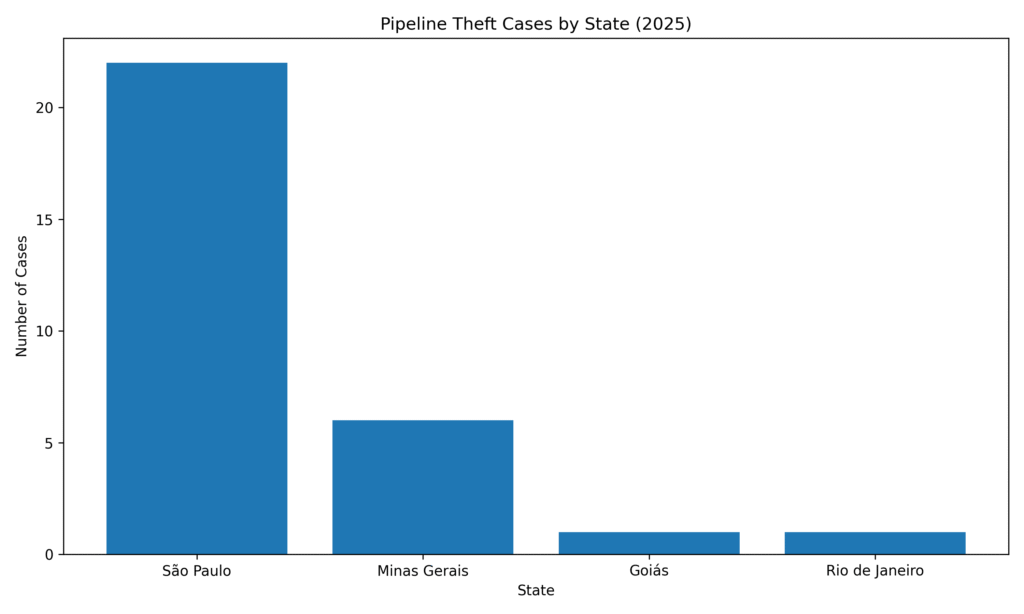
São Paulo combines several enabling conditions that increase vulnerability. It hosts the largest and most extensive pipeline network in the country, with significant stretches located near densely populated urban areas. The state also sustains a robust and continuous consumer market capable of rapidly absorbing diverted fuel, reducing the operational risk for illicit actors by shortening storage times and facilitating immediate resale. Furthermore, its dense road and logistics infrastructure supports swift clandestine transportation and interstate distribution, enabling stolen products to circulate through fraudulent documentation schemes and shell entities with relative efficiency.
While São Paulo remains the focal point, there are indications of geographic expansion. Minas Gerais recorded an increase from one occurrence in 2024 to six in 2025, and Goiás registered one case during the same period. Both states are crossed by the strategically significant São Paulo–Brasília Pipeline (OSBRA), a critical corridor for the flow of petroleum derivatives toward central Brazil. Targeting assets along this route may indicate gradual expansion along high-value logistical arteries within the national pipeline system.
In contrast, Rio de Janeiro has demonstrated a substantial reduction in recorded incidents, declining from 13 cases in 2020 to a single occurrence in 2025. This trajectory suggests that sustained prevention efforts and enforcement pressure may generate measurable containment effects when consistently applied.
Infrastructure Integrity
Clandestine fuel tapping poses a direct threat to pipeline integrity and significantly increases health, safety, and environmental (HSE) risk exposure. Illegal perforations in pressurized pipelines are typically carried out without adherence to engineering standards, structural reinforcement procedures, or pressure control safeguards. Even when immediate rupture does not occur, such interventions introduce latent mechanical weaknesses that may compromise the long-term reliability of the system. These undetected stress points elevate the probability of severe damages, particularly in densely populated or environmentally sensitive areas where consequences can escalate rapidly.
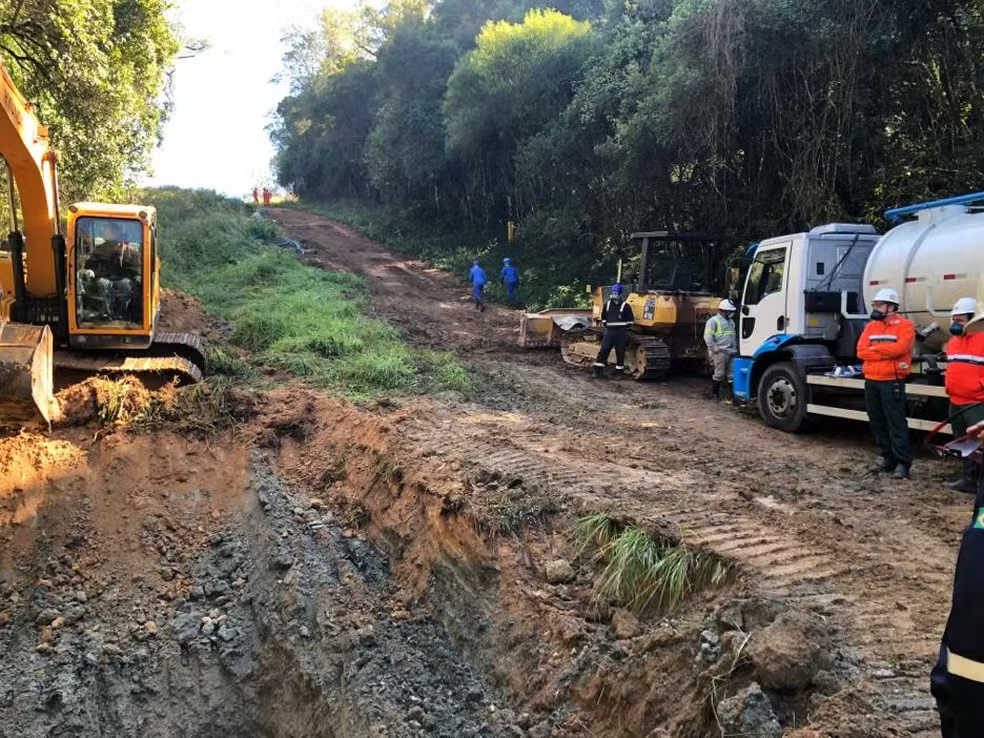
This risk became evident in October 2025, when an attempted theft from a Petrobras oil pipeline triggered a gasoline leak near Monte Belo Farm in the rural interior of São Paulo state. According to local authorities, gasoline gushed several meters into the air, creating a substantial risk of explosion and environmental contamination. The area had to be fully isolated until the leak was contained later that afternoon, illustrating how even unsuccessful tapping attempts can generate acute safety hazards and emergency response challenges.
Beyond immediate danger, environmental consequences can be severe and long-lasting. Fuel leaks may contaminate soil, groundwater, and nearby water bodies, resulting in costly remediation efforts, potential regulatory penalties, and reputational exposure. Given that Transpetro transports approximately 650 billion liters of oil, derivatives, and biofuels annually through its pipeline network, integrity breaches carry systemic implications. Safeguarding pipeline infrastructure is therefore central to national energy resilience, environmental protection, and public safety.
Organized Crime Convergence and Governance Risks
Recent investigations, including Operation Haras, illustrate that pipeline fuel theft in Brazil is increasingly characterized by structured criminal coordination rather than isolated opportunistic acts. The operational model described by authorities — involving clandestine perforation, armed protection of tapping sites, rapid transfer to tanker trucks, and interstate distribution supported by falsified invoices — indicates a vertically integrated illicit chain. The use of shell companies and fraudulent documentation to legitimize the circulation of stolen products reflects a level of financial structuring consistent with organized crime dynamics.
This convergence introduces governance and compliance risks that extend beyond physical infrastructure damage. The insertion of stolen fuel into formal distribution channels may involve tax evasion, money laundering, and the manipulation of regulatory documentation. The scale and technical complexity of operations also raise concerns regarding potential access to detailed operational or logistical knowledge, whether through informal information networks or corrupt facilitation.
Such dynamics elevate exposure to legal, reputational, and regulatory scrutiny for operators and market participants alike. When fuel theft intersects financial crime and interstate logistics networks, the threat profile expands from operational disruption to institutional vulnerability. Mitigating this risk requires not only technological monitoring but also enhanced due diligence on contractors, transporters, and counterparties, as well as sustained coordination with public prosecutors and law enforcement agencies to dismantle the broader criminal ecosystem underpinning illicit pipeline tapping.
Operational Continuity and Supply Chain Disruption
Pipeline systems constitute critical infrastructure for Brazil’s fuel supply chain, ensuring efficient and large-scale transportation of petroleum products across regions. When illegal tapping is detected or suspected, operators frequently implement preventive shutdowns to contain potential damage and conduct technical inspections. While necessary from a safety standpoint, such measures can temporarily disrupt product flow and create logistical bottlenecks.
Disruptions in pipeline operations may require the diversion of volumes to alternative transport modes, particularly road freight. This shift not only increases transportation costs but also exposes fuel cargo to higher risks of theft and accidents. The cumulative effect can reverberate across the supply chain, affecting distribution terminals, fuel stations, and ultimately consumers. In extreme cases, prolonged interruptions could impact supply to critical infrastructure, including airports, hospitals, and ports.
To address these risks, Transpetro has articulated an integrated prevention strategy built on technological monitoring, institutional cooperation, and community engagement. Advanced surveillance systems supported by artificial intelligence enable real-time detection of suspicious pressure variations or unauthorized activity, monitored around the clock by centralized control centers in Rio de Janeiro. Partnerships with public security authorities and prosecutors strengthen investigative capacity, while community outreach initiatives — including anonymous reporting channels and educational programs — aim to reduce local tolerance for illegal tapping. Together, these measures aim to mitigate operational disruptions and strengthen system-level response capacity.
Developing Story
The recent outbreak of war in Iran and escalating conflict across the Middle East have triggered a sharp rise in global energy prices, with Brent crude futures surging more than 8% to over $82 a barrel by early March 2026. This geopolitical instability has effectively paralyzed transit through the Strait of Hormuz—a chokepoint for 20% of global oil supplies—raising concerns that prices could soon exceed $100 per barrel. Historically, such periods of high fuel prices and economic volatility have served as a powerful catalyst for criminal activity in Brazil, as the irregular sale of fuel becomes an increasingly lucrative business for organized crime. With the domestic market already facing a resurgence in pipeline interference, the added pressure of soaring international oil costs creates a heightened economic incentive for theft, potentially accelerating the expansion of sophisticated criminal networks and further jeopardizing the integrity of Brazil’s strategic energy infrastructure.

