


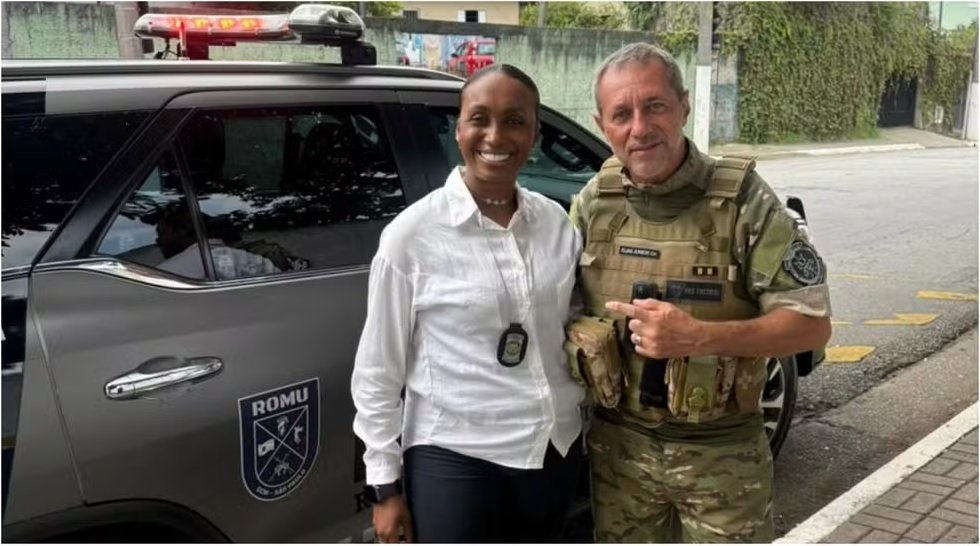
The death of civil guard Sara Andrade dos Reis, 34, on Sunday (19/04), during a robbery on the access ramp from the Imigrantes Highway to the Matheus Torloni viaduct, in Água Funda, in the southern zone of São Paulo, prompted an immediate response from the Metropolitan Civil Guard (GCM). In reaction, the force mobilized teams and vehicles to favelas in the Jabaquara and Vila Santa Catarina regions. The GCM refers to the ongoing operation, which has already lasted nearly a week, as a saturation effort aimed at gathering intelligence on the suspects involved in the killing and recovering the weapon stolen during the crime. The incursions, carried out with heavily armed personnel, have focused on alleys and narrow streets, often based on anonymous tips provided to authorities.
This Content Is Only For Subscribers
To unlock this content, subscribe to INTERLIRA Reports.
Units Reassigned
Specialized units were reassigned to reinforce operations in the southern zone, including the ROMU (Municipal Patrol Unit), often compared to the ROTA unit of the Military Police, originally created during the Paulo Maluf administration in the 1990s and recently reinstated under Mayor Ricardo Nunes (MDB). Other units deployed include the IATE (Special Tactical Actions Inspectorate), the canine unit, and the IAMO (Motorcycle Support Inspectorate). This concentration of resources mirrors procedures commonly adopted by the Military Police following attacks against law enforcement personnel, signaling an intensified operational posture in response to Sara’s killing.
Operations in Favelas
Since the incident, GCM officers have intensified patrols in the favelas of Alba, Vila Clara, and Imprensa, all located in the Jabaquara and Vila Santa Catarina areas, close to where the guard was shot. During the robbery, her service weapon and cell phone were taken by two suspects who fled on a motorcycle. Residents in these communities reported a visible increase in both GCM and Military Police presence. Although authorities have received multiple tips regarding possible suspects, none have yet been confirmed. Despite this, patrols and search efforts continue throughout the region.
Alba Favela
Among the targeted areas, the Alba favela has received the most attention from security forces. The municipal administration confirmed that an operation took place on Friday (24/04) in the community, focusing on the repression of criminal activity and the fight against drug trafficking. According to official information, one individual was taken to the 35th Police District for questioning during the action. The area remains under close monitoring as part of the broader effort to locate those responsible for the crime.
Preventive Policing
For Bruno Langeani, senior consultant at the Sou da Paz Institute, the use of saturation tactics can be justified if the objective is to expand preventive policing after a case of lethal violence, provided it is conducted properly. According to him, such actions can send a message that violent crimes will not be tolerated. However, he warns that the effectiveness of these operations depends on being accompanied by thorough investigations, which remain a major challenge in addressing high levels of armed robbery in Brazil. Langeani also cautions that operations should not result in harassment of residents or abuses, noting that there is a clear distinction between preventive policing strategies and retaliatory actions, such as those criticized in past operations like Operation Shield.
Police Officer Murdered
Sara Andrade dos Reis, who lived in Diadema in the ABC region, was on her way to her base in Jabaquara at the time of the attack and had been serving with the GCM for three years. On the same day, approximately three hours after her death, another fatal robbery occurred in Moema, an upscale neighborhood in the southern zone. The victim, Luciano Teixeira dos Santos, 46, was also killed during a robbery, and the suspect fled the scene. The proximity in time between the two crimes reinforced concerns about rising violence in the city.
Analysis:
The response to the killing of a municipal officer in São Paulo illustrates how security forces often shift rapidly into high-intensity operations following attacks on law enforcement personnel. The use of saturation tactics by the Metropolitan Civil Guard signals an effort not only to locate suspects but also to reassert state presence in areas perceived as vulnerable to criminal activity. This approach mirrors strategies traditionally employed by the Military Police, reflecting an institutional convergence in how different forces respond to violent incidents. While such operations can produce short-term deterrent effects, they also raise questions about sustainability and their capacity to generate actionable intelligence beyond immediate pressure on specific territories.
At a broader level, the episode reinforces the persistent tension between reactive policing and preventive security policies in Brazil. While visible deployments can restore a temporary sense of order, their impact depends heavily on coordination with judicial processes and respect for civil rights within affected communities.

