


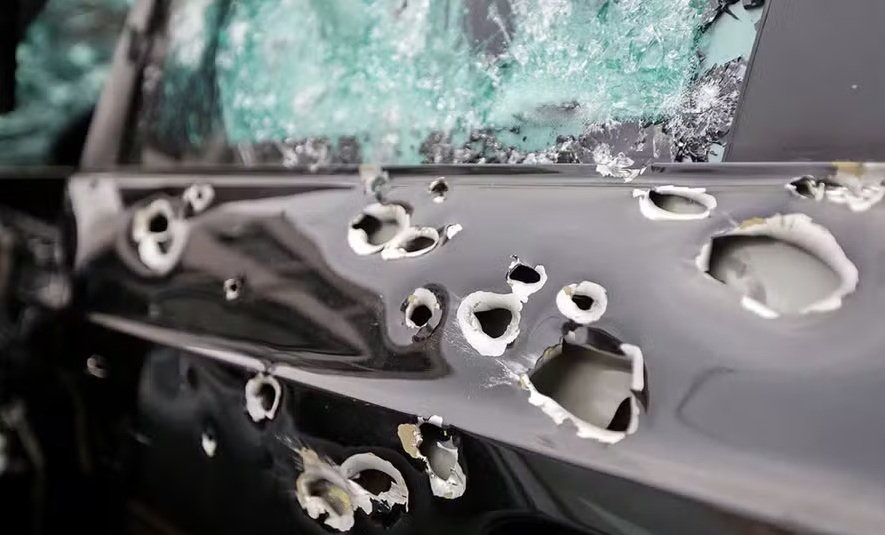
The area under the jurisdiction of the 33rd Police Precinct (Realengo), which covers the stretch of the Transolímpica highway where 51-year-old doctor Simone Ferreira Alves was taken hostage and shot, has recorded a significant rise in vehicle thefts this year. In March alone, 52 cases were registered in the region, representing a 30% increase compared to the same month last year, when 40 incidents were reported. The data, provided by the Institute of Public Security (ISP), reflects a growing pattern of crime in the area and helps explain the broader context of insecurity surrounding the incident.
This Content Is Only For Subscribers
To unlock this content, subscribe to INTERLIRA Reports.
Rio de Janeiro City
Across the entire city of Rio de Janeiro, the increase in vehicle thefts has been even more pronounced. In March, authorities recorded 1,446 cases, compared to 801 occurrences in the same period of 2025. This represents an increase of more than 80%, indicating a sharp escalation in this type of crime throughout the capital. The figures point to a wider deterioration in public security conditions, particularly in areas with high traffic flow and major road connections.
Amidst the Crossfire
Parked in front of the police station, Simone’s vehicle showed clear signs of the violence that unfolded on Tuesday (21) morning on the Transolímpica highway, near Jardim Sulacap, in the West Zone of Rio. The red Fiat Toro she was driving on her way to work in Campo Grande had bullet marks on the rear door and a shattered passenger-side window. According to the Military Police, she was struck after being taken hostage by a fleeing suspect during a confrontation on the highway, which connects Recreio dos Bandeirantes to Deodoro. Police officers had located four suspects involved in robberies in the area, traveling in a stolen white BYD vehicle, which led to a shootout. Two suspects were injured during the exchange of fire. A third suspect then took Simone hostage, and she was shot in the back during the incident. This individual was arrested at the scene, while a fourth suspect managed to escape. Authorities reported that all of them are linked to the Chapadão Complex, in the North Zone of the city.
Death in São Gonçalo
In the municipality of São Gonçalo, in the Metropolitan Region of Rio de Janeiro, a woman whose identity has not been disclosed died during a confrontation between military police and suspects on Monday (20) night. According to the Military Police, officers from the 7th Battalion were patrolling the Colubandê neighborhood when they attempted to stop a vehicle. The driver refused to comply and opened fire on the officers, prompting a shootout. During the incident, the driver lost control of the car, abandoned it, and fled the scene. Inside the vehicle, police found a woman who had been shot. The operation began around 8:30 pm after officers received information that a black Corsa had left the Jardim Catarina community carrying weapons and drugs. The patrol encountered the vehicle shortly afterward, leading to confrontation.
Analysis:
The rise in vehicle thefts in areas such as Realengo and along the Transolímpica reflects a broader shift in urban crime dynamics, where strategic road corridors become focal points for criminal activity. These routes offer both high volumes of potential targets and rapid escape options, making them attractive for organized groups. The sharp increase in incidents suggests not only greater frequency but also a level of coordination that aligns with wider criminal networks operating across different zones of the city. This pattern reinforces the idea that vehicle theft is no longer an isolated offense but part of a larger system linked to resale markets, dismantling operations, and logistical support for other illicit activities.
The case involving the hostage situation and shooting of a civilian illustrates the growing overlap between everyday crime and high-risk armed confrontations. When police interventions intersect with ongoing criminal actions in densely trafficked areas, the likelihood of collateral victims rises significantly. The involvement of suspects connected to territories such as the Chapadão Complex indicates how local criminal structures extend their operations beyond their immediate areas of control, projecting influence into key transit zones.

