

Online scams are becoming increasingly sophisticated, combining information obtained from legitimate advertisements with criminal networks to deceive victims and generate financial gain. Cybercriminals are constantly developing new methods to exploit information publicly available on the internet, including vehicle advertisements, photographs, registration details, and other identifying characteristics. A recent investigation by the Civil Police in Rio de Janeiro highlights how criminals can use legitimate online vehicle listings as a blueprint to clone stolen vehicles and subsequently sell them through digital platforms. The case demonstrates the importance of caution when purchasing vehicles online and verifying both the seller and the vehicle independently before completing a transaction.
This Content Is Only For Subscribers
To unlock this content, subscribe to INTERLIRA Reports.
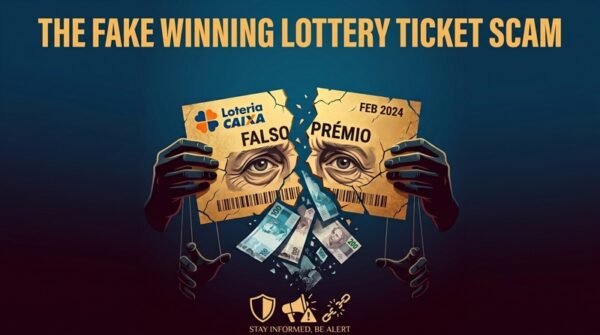
The Fake Winning Lottery Ticket Scam
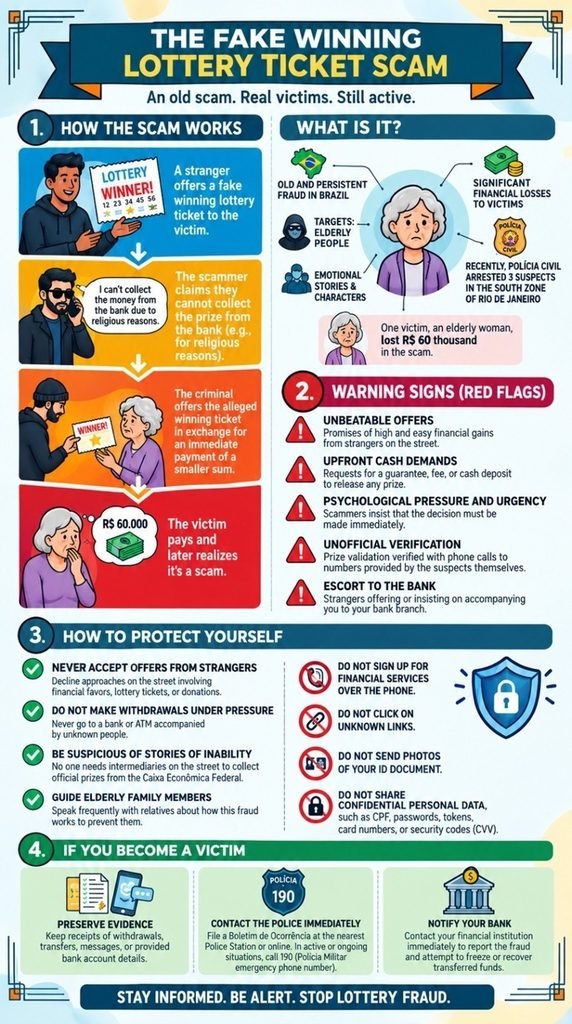
The fake winning lottery ticket scam is one of the oldest and most persistent frauds in Brazil. Through strategies involving the creation of characters and emotional stories, elderly individuals are often the primary targets of scammers. It frequently causes significant losses to victims. Recently, the Polícia Civil arrested three suspects belonging to a specialized gang operating in the South Zone of Rio de Janeiro, highlighting that the scheme remains active and highly organized. One victim, an elderly woman, lost R$ 60 thousand in the scam.
How the Scam Works
The scam normally begins with a stranger on the streets offering a fake winning lottery ticket to the victim. The pretext for selling the ticket usually involves the scammer claiming they cannot collect the money from the bank. For instance, in the case mentioned above, the suspects claimed they could not withdraw the prize due to religious reasons. The criminal then offers the alleged winning ticket in exchange for an immediate payment of a smaller sum.
Warning Signs
- Unbeatable offers: Promises of high and easy financial gains coming from strangers on the street.
- Upfront cash demands: Requests for a guarantee, fee, or cash deposit to release any prize.
- Psychological pressure and urgency: Scammers insist that the decision must be made immediately.
- Unofficial verification: Prize validation verified with phone calls to numbers provided by the suspects themselves.
- Escort to the bank: Strangers offering or insisting on accompanying you to your bank branch.
How to Protect Yourself
- Never accept offers from strangers: Decline approaches on the street involving financial favors, lottery tickets, or donations.
- Do not make withdrawals under pressure: Never go to a bank or ATM accompanied by unknown people.
- Be suspicious of stories of inability: No one needs intermediaries on the street to collect official prizes from the Caixa Econômica Federal.
- Guide elderly family members: Speak frequently with relatives about how this fraud works to prevent them.
- Do not sign up for financial services over the phone.
- Do not click on unknown links.
- Do not send photos of your ID document.
- Do not share confidential personal data, such as CPF, passwords, tokens, card numbers, or security codes (CVV).
If You Become a Victim
- Preserve evidence: Keep receipts of withdrawals, transfers, messages, or provided bank account details.
- Contact the police immediately: File a Police Report (Boletim de Ocorrência) at the nearest Police Station or online. In active or ongoing situations, call 190 (Polícia Militar emergency phone number).