


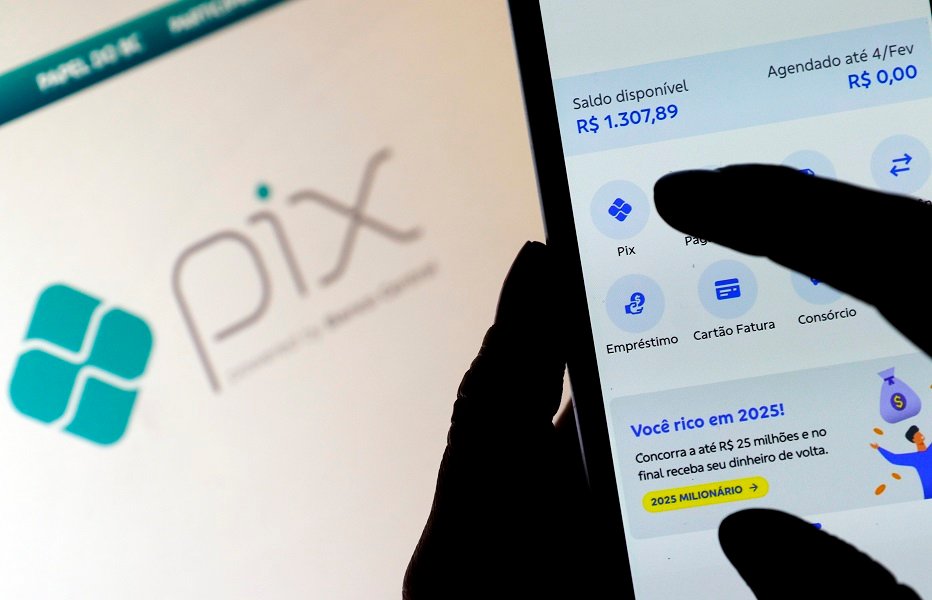
The Central Bank (BC) will introduce a feature that allows users to block the creation of new Pix keys in their names by third parties. The function will be incorporated into the BC’s Registrato system, which enables citizens to access financial information linked to their identities. The announcement was made by Breno Lobo, deputy head of the Department of Competition and Financial Market Structure at the Central Bank.
This Content Is Only For Subscribers
To unlock this content, subscribe to INTERLIRA Reports.
New Tool
During a live session hosted by the Brazilian Association of Law and Economics (ABDE) on the 5th, the BC representative explained that the new feature will operate similarly to another tool expected in December, which will allow individuals to prevent the unauthorized creation of bank accounts in their names. Although such situations should not occur, incidents of fraudulent account openings continue to be reported.
Still Under Study
According to the BC executive, the Pix-related tool remains in its early development phase and does not yet have a defined implementation date. The aim is to curb fraud by preventing criminals from registering Pix keys linked to personal data used without authorization.
Blocking New Accounts
For bank accounts, users can already request a restriction through Registrato, a system that allows verification of loans associated with their names, existing bank accounts, registered Pix keys, and other financial information. Under the proposal, citizens will be able to access Registrato to indicate that they do not authorize the opening of new accounts in their names. Banks and financial institutions would then be required to check this information before processing any account request based on someone else’s data. When the legitimate user decides to open a new account, they must disable the restriction beforehand.
Analysis:
The Central Bank’s decision to expand Registrato with the ability to block the creation of unauthorized Pix keys reflects a strategic response to the rising sophistication of fraud in Brazil’s digital payments ecosystem. As Pix becomes deeply embedded in everyday transactions, criminals have increasingly targeted its infrastructure to exploit identity vulnerabilities. By giving consumers a proactive mechanism to prevent third parties from associating Pix keys with stolen personal data, the Central Bank aims to reduce fraud at its root rather than simply reacting after financial damage has occurred.
This initiative is part of a broader shift toward preventive digital security measures, which also includes the forthcoming function allowing users to block the unauthorized opening of bank accounts. These tools represent a maturation of Brazil’s regulatory approach: instead of relying solely on banks’ internal controls, the Central Bank is empowering individuals to participate directly in safeguarding their financial identities.

