


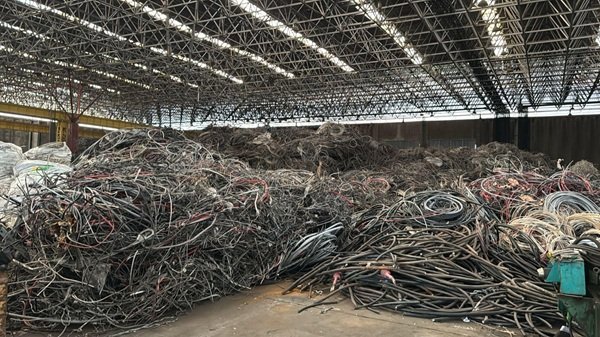
According to Light, Rio de Janeiro energy company, a cable theft caused a large blackout that left parts of Rio de Janeiro in darkness in the early hours of Tuesday (16/09). The outage affected neighborhoods in the city center, North Zone, and South Zone. The disruption was first detected at 3:45, with several districts reporting loss of power. By 6:00, Light confirmed that service had been fully restored throughout the city. The company stressed that despite the restoration, the recurring theft of cables poses a serious risk to infrastructure and public safety.
This Content Is Only For Subscribers
To unlock this content, subscribe to INTERLIRA Reports.
Cable Theft
The utility company reported that the incident originated at a substation in Andaraí, where criminals cut the ground wire of a phase, triggering a fire caused by overload. Between January and August 2025, Light recorded 212 cases of power cable theft, totaling 144.5 kilometers of vandalized wiring. The areas most frequently affected were Copacabana, Ipanema, and Downtown. Losses during this period reached R$13.4 million. In comparison, in 2024, there were 351 incidents over the full year, resulting in approximately 77,000 meters of stolen material and financial damage estimated at R$9.5 million.
Copper Cables
While undergoing judicial recovery, Light has committed to investing R$25 million to replace stolen cables and substitute copper with aluminum, which has lower black-market value. The high price of copper has made cable theft one of the most pressing challenges for energy distributors. A senior executive noted that copper is now considered as valuable as gold and emphasized that although the issue affects the entire country, Rio faces the most severe consequences. The company recently announced plans for its largest investment yet in modernizing and renewing its energy network, a critical step in preparation for its concession renewal in mid-2026.
Expenses
Light’s expenditures to address cable theft have increased dramatically in recent years. In 2023, the company spent R$4 million replacing stolen cables. This amount more than doubled in 2024, reaching R$9 million, reflecting the escalation of vandalism against its power grid. In 2025, by April, Light had already spent R$7.7 million. Based on current trends, the company estimates that total investment in combating and preventing theft will reach approximately R$25 million this year. These rising costs highlight the growing financial burden of infrastructure crime on the utility and its customers.
Analysis:
The blackout caused by cable theft in Rio de Janeiro demonstrates how infrastructure crimes can generate cascading effects on urban life and business operations. Beyond the immediate disruption, such incidents expose vulnerabilities in essential services and raise concerns about public security. For companies, power outages in strategic areas like the city center, Copacabana, and Ipanema can lead to operational delays, losses in commerce, and reputational risks. For residents, the unpredictability of blackouts reinforces a sense of insecurity, as reduced lighting increases exposure to other crimes.
The rise in copper theft reflects a broader economic and security challenge. With copper valued at near-precious metal levels, criminal groups see cable theft as a lucrative activity, while utilities like Light face mounting financial and operational costs. The company’s strategy of replacing copper with aluminum is a necessary mitigation measure, but not a definitive solution, as it does not address the root causes tied to organized resale networks and weak enforcement.
Sources: G1; A Folha de SP.

