


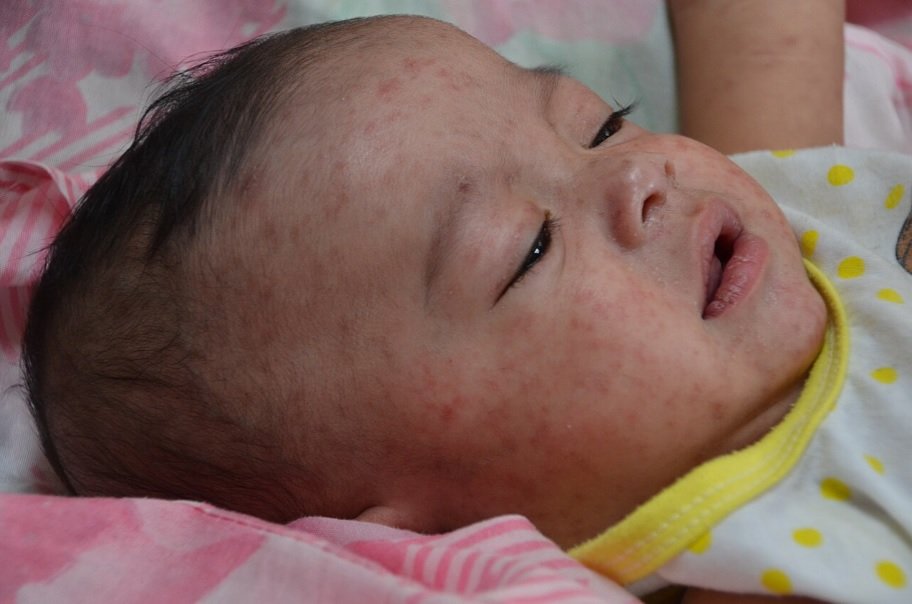
The state of São Paulo confirmed on Wednesday (11/03) the first case of measles in 2026: a six-month-old unvaccinated baby who contracted the disease during a trip to Bolivia in January, according to the State Health Department. The case had been reported to health authorities in February and was later confirmed by laboratory tests. Measles is an extremely contagious disease, according to Renato Kfouri, vice-president of the Brazilian Society of Immunizations. Kfouri explains that, in addition to direct complications such as pneumonia and encephalitis, the disease can cause a phenomenon known as immunological amnesia, meaning that people who contract measles may become more vulnerable to other infectious diseases for several months later.
This Content Is Only For Subscribers
To unlock this content, subscribe to INTERLIRA Reports.
Measles-Free Country
Brazil received certification as a measles-free country in November 2024, a status it had lost in 2018 following an outbreak that recorded around 40,000 cases and 40 deaths, largely associated with low vaccination coverage and the entry of the virus across the border with Venezuela. The new certification became possible after the last autochthonous case was recorded in the state of Amapá in June 2022, according to specialists. Experts emphasize that imported cases alone do not threaten the certification; what could jeopardize the status would be sustained transmission of the virus within the country.
PAHO
Last month, the Pan American Health Organization (PAHO) issued a warning about the increase in measles cases across the Americas, which grew 32 times between 2024 and 2025. According to the organization, 14,891 cases of measles were recorded in the region in 2025, including 29 deaths, of which 22 occurred among indigenous populations. Most cases were registered in Mexico, which reported 6,428 confirmed infections and 24 deaths, followed by Canada with 5,436 cases and two deaths, and the United States with 2,242 cases and three deaths.
Brazil
In Brazil, 38 measles cases were confirmed across six states and the Federal District, with ten infections contracted outside the country. The confirmed cases were recorded in Tocantins (25), Mato Grosso (6), Rio de Janeiro (2), São Paulo (2), Rio Grande do Sul (1), Maranhão (1), and the Federal District (1). Infectious disease specialist Lívio Dias, from Pro Matre Paulista, states that the current situation in Brazil does not represent an outbreak and that isolated imported cases are expected due to the high circulation of the virus in other countries of the region.
Vaccination Coverage
In the past year, vaccination coverage increased both in the state of São Paulo, reaching approximately 95%, and nationwide, where coverage rose to approximately 82%. However, experts warn that ideally vaccination levels should reach at least 95% in all regions due to the extremely high transmissibility of the measles virus.
Who should get vaccinated?
Measles vaccination is part of Brazil’s National Immunization Schedule. The first dose is administered at 12 months of age and the second at 15 months. Children younger than six months, as in the confirmed case in São Paulo, are not yet eligible to receive the vaccine. For this reason, infectious disease specialist Rosana Richtmann, from the Santa Joana Group, explains that children under one year old are among the most vulnerable groups. Individuals aged 5 to 29 should receive two doses with a minimum interval of 30 days, while those between 30 and 59 years old require one dose. Healthcare professionals must present proof of two doses of the MMR vaccine regardless of age. Richtmann also warns travelers heading to countries with high incidence rates—such as Yemen, Indonesia, India, Pakistan, Angola, Laos, Mexico and Nigeria—about the importance of ensuring proper vaccination before traveling.
Analysis:
The confirmation of an imported meal case in São Paulo illustrates the persistent vulnerability of countries that have eliminated endemic transmission but remain exposed to global circulating disease. Even after regaining measles-free certification, Brazil continues to face the risk of imported infections due to international travel and outbreaks in neighboring countries. Health authorities emphasize that isolated imported cases do not threaten elimination status by themselves; the real risk arises when the virus begins circulating locally through chains of transmission.
Finally, the profile of the confirmed case—a six-month-old child who was not yet eligible for vaccination—illustrates the importance of maintaining high immunization coverage among the broader population. Infants who are too young to receive the vaccine depend on community immunity to remain protected.
Sources: O Globo; A Folha de SP.

