


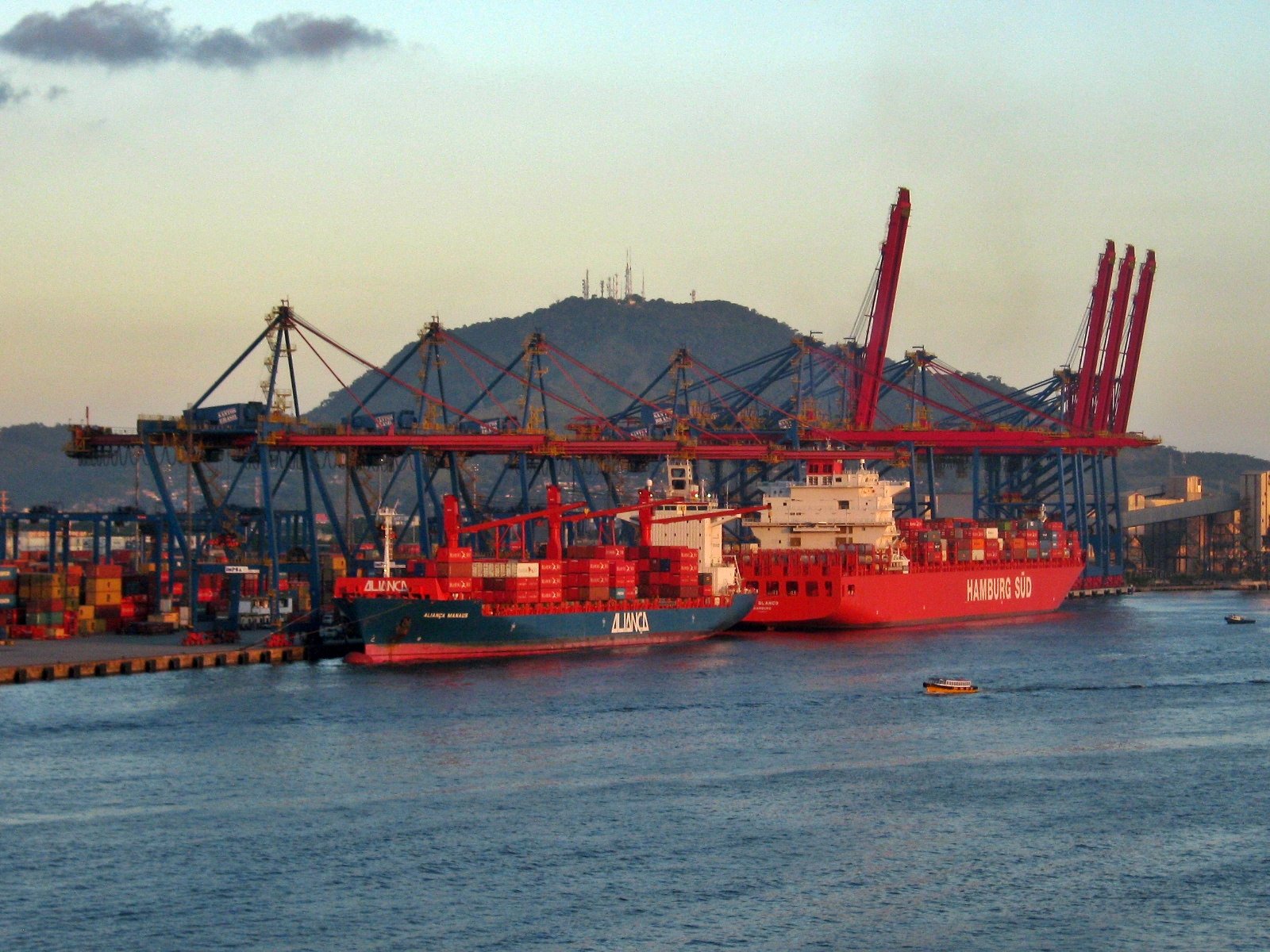
On Friday, November 6, 2026, IT systems operated by the Santos Port Authority (APS) went offline following a power outage that impacted its servers. On Tuesday, November 10, the APS confirmed it had been targeted by a cyberattack, prompting the Federal Police to launch an investigation into the origin of the intrusion and the attackers’ initial access vector. The incident impacted platforms managing physical access control, cargo handling, and overall port operations coordination. The complex sustained activities under contingency protocols while technical teams worked to restore digital services.
This Content Is Only For Subscribers
To unlock this content, subscribe to INTERLIRA Reports.
System Outages Prompt Elevation of Security Level
Port systems were briefly restored early Friday evening (Nov. 6) before going offline again in the early hours of Saturday (Nov. 7). On Sunday (Nov. 8), the State Commission for Public Security in Ports, Terminals, and Waterways (Cesportos) raised the port complex’s security posture to Level II on a three-tier scale. The decision cited instability across public gate management systems, which posed operational risks to verifying the entry and exit of personnel and vehicles. Physical access controls and cargo inspections were reinforced across the complex. Because the power outage preceded the network failure, investigators are examining whether the power disruption facilitated or masked the intrusion.
Contingency Measures Sustain Operations with Varied Terminal Impact
The outage disrupted Supervia, the platform used to coordinate port operations, forcing personnel to revert to manual procedures for route scheduling, vessel arrival logging, and billing. According to logistics firms, heightened physical security checks slowed cargo loading and unloading operations. Operational impact varied across individual operators. Terminal operator Santos Brasil reported that its facilities continued running normally, and the Brazilian Association of Container Terminals (Abratec) noted that private terminal systems operate autonomously while exchanging data with central APS platforms. According to the São Paulo State Union of Maritime Navigation Agencies (Sindamar), scheduled vessel berthings proceeded without cancellation.
Partial Backup Recovery and Ransom Demand Investigation
Internet and telephony services were restored on Monday (Nov. 9) following a three-day disruption. On Thursday (Nov. 12), the APS reported that it had recovered approximately 70% of backup copies for the affected files, while its official website and several internal platforms remained undergoing restoration. According to the port authority, the threat actors demanded a ransom payment in exchange for restoring system access. The Federal Police continue investigating the attribution and intrusion vector, while forensic teams work to determine whether unauthorized data exfiltration occurred.
Analysis
This incident demonstrates how a digital outage at a central port authority simultaneously impacts logistics coordination and physical perimeter security. While the operational autonomy of private terminal systems and the rapid deployment of manual procedures sustained vessel berthings and baseline cargo movement, heightened manual verification checkpoints reduced throughput efficiency across parts of the complex.
For trucking companies, logistics operators, and importers/exporters utilizing the port, operational exposure depends on which workflow stages require centralized APS validation, particularly landside gate access authorizations, arrival logging, and delivery window confirmations. As digital platforms come back online, reconciling manually generated contingency logs against restored database records is essential to prevent discrepancies in gate clearances, cargo manifests, and billing cycles.
Sources: Folha de SP; G1 [1], [2]; SBT News.

