


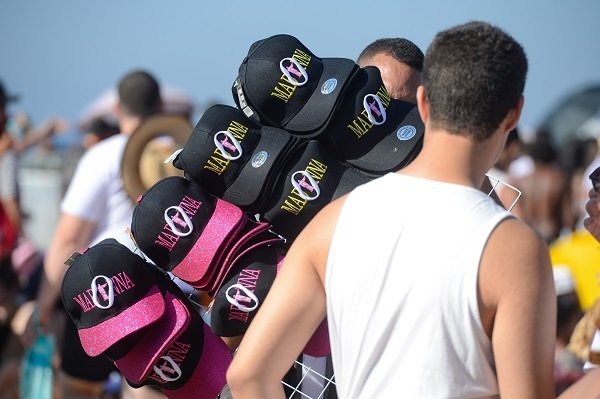
On Tuesday (07/07), Acting Mayor Eduardo Cavaliere announced a new strategy to regulate street vending along Rio de Janeiro’s waterfront. The initiative establishes guidelines for the coordinated work of municipal enforcement agencies and consolidates ongoing measures aimed at preventing the unauthorized occupation of public spaces and ensuring compliance with municipal regulations. Continuous enforcement began on Thursday (9), covering the entire beachfront from Leme to Leblon, including Copacabana, Arpoador, and Ipanema. The initiative follows a series of complaints regarding disorder in these areas, particularly involving the use of loudspeakers during nighttime hours.
This Content Is Only For Subscribers
To unlock this content, subscribe to INTERLIRA Reports.
The Operation
The operation involves 138 officers from the Municipal Secretariat of Public Order (SEOP), deployed around the clock in pairs working 12-hour shifts. The objective is to prevent the installation of vending carts and disrupt the supply of merchandise to unlicensed street vendors. To support the operation, City Hall identified 69 access points to the waterfront, with each enforcement team assigned responsibility for monitoring its designated area. Leme and Copacabana alone will have 30 control points, including locations such as Avenida Princesa Isabel, Rua Miguel Lemos, and Praça do Lido. Ipanema will be covered by 21 teams, Leblon by 15, and Arpoador by three additional teams. The strategy is based on maintaining a continuous physical presence to discourage illegal commercial activity, while allowing operational adjustments according to the characteristics of each neighborhood.
Other Operations
Earlier this year, following large overnight gatherings at Arpoador during periods of extreme summer heat, City Hall introduced restrictions prohibiting public access to Arpoador Rock between 21:00 and 4:00. Between 21:00 and 23:00, municipal agents clear the area of remaining visitors before the nightly closure takes effect. In May, the city also began deploying drones to monitor the Saara commercial district and Rua Uruguaiana. More recently, authorities announced additional measures to improve public order around the Selarón Steps in the Lapa neighborhood.
End of the Pact
According to security officials, the long-standing informal non-aggression pact between Rio de Janeiro’s two largest criminal factions, the Red Command (CV) and the Third Pure Command (TCP), has begun to collapse along the city’s beaches and boardwalks as a consequence of conflicts taking place in other parts of the city. The dispute has increasingly spilled into these tourist areas, leading to violent confrontations involving wooden clubs, foot chases, forced inspections of mobile phones, and even the presence of armed individuals. Authorities believe the groups are competing not only for control of local drug sales but also for the profits generated by informal street vending activities.
Analysis:
The new enforcement strategy reflects a shift from sporadic inspections toward continuous territorial control in some of Rio de Janeiro’s most economically and symbolically important public spaces. By maintaining a permanent presence at key access points rather than relying solely on periodic operations, the city aims to reduce opportunities for unauthorized commercial activity before it becomes established. This preventive model can improve operational efficiency, but its long-term success will depend on sustained enforcement and coordination among municipal agencies.

