


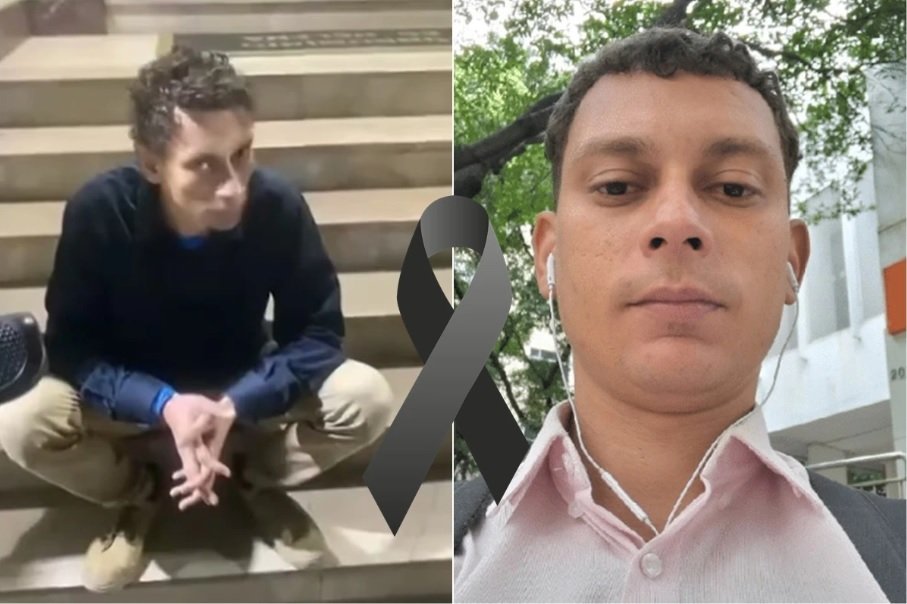
The death of 37-year-old Cláudio Rafael Landeiro Moreira has drawn attention to a practice that has become increasingly widespread across Rio de Janeiro: clandestine private security services. In the early hours of August 12, in Copacabana, he was wrongly accused of stealing a bicycle and brutally beaten with a club by a security guard, who was joined in the assault by two delivery workers. Signs of this unregulated activity are visible throughout the South Zone neighborhood where the crime occurred. Davi Santos Machado, who was arrested in connection with the killing and apparently struck the victim 63 times with a club, told investigators that he earned R$1,500 per month as part of a five-man team responsible for guarding an area that included the stretch of Barata Ribeiro Street where he confronted Cláudio.
This Content Is Only For Subscribers
To unlock this content, subscribe to INTERLIRA Reports.
Delineated Areas
The National Federation of Security and Cash-in-Transit Companies (Fenavist) reports that 53,454 security guards work legally in Rio de Janeiro state and estimates that more than twice that number—over 100,000 people—operate illegally. The team to which Davi belonged was also responsible for monitoring part of Duvivier Street. Investigations by the 12th Police Precinct (Copacabana), which is handling the case, indicate that at least one other group providing similar security services operates nearby, closer to the beachfront.
Copacabana
In Copacabana, watchmen are commonly seen outside commercial establishments, and distinguishing between authorized security services and clandestine operations can be difficult. A walk-through of parts of the neighborhood reveals men dressed in black, maintaining fixed positions and displaying the typical appearance and behavior of private security guards, in at least five locations. Some were observed sitting on chairs along the sidewalk. According to the Rio City Security Guards’ Union, illegal security services have been expanding not only in the city but throughout the state, particularly in areas with intense commercial activity. One indication of this trend is the 17.61% increase in the number of security professionals with expired certifications between 2022 and 2026.
Regulated Activity
Private security activity is regulated by the Federal Police, which requires professionals to be Brazilian nationals, at least 21 years old, demonstrate physical and psychological fitness, complete specific professional training, have no criminal record involving intentional offenses, and remain in good standing with electoral and military obligations. Proof of employment with an authorized private security company or an approved in-house security service, such as those maintained by companies or residential complexes, is also mandatory. Conducting patrols or surveillance on public streets, whether by armed or unarmed personnel, is considered clandestine private security activity. Exceptions apply to personal protection, armed escorts, and the transportation of valuables. However, according to the security guards’ union, enforcement and oversight of the sector remain insufficient.
Analysis:
The death of Cláudio Rafael Landeiro Moreira exposed a broader public security problem that extends beyond the individual circumstances of the assault. The reported presence of more than 100,000 people working illegally in private security across Rio de Janeiro state, compared with 53,454 legally employed professionals, suggests a substantial parallel security market operating outside formal regulations. In neighborhoods such as Copacabana, where commercial activity and tourism generate strong demand for protection, these informal groups can become normalized and difficult for residents and businesses to distinguish from legitimate security providers. The danger is that individuals without adequate training, certification, or institutional supervision may assume powers that belong exclusively to the state.
The regulatory gap is particularly concerning because clandestine street security effectively creates an unofficial layer of law enforcement without the safeguards associated with legitimate policing. Private guards operating on public streets may intervene based on suspicion, confront individuals, or attempt to resolve alleged crimes without proper procedures or accountability.
Sources: O Globo.

