


On Monday (24), São Paulo confirmed the first two human cases of West Nile Fever ever recorded in the state. Despite the confirmed diagnoses, authorities have not yet determined where the two patients contracted the infection. Also on Monday, the Santa Catarina State Health Department confirmed the state’s first death from the disease. The victim was a 77-year-old woman from Imbituba, a municipality on the southern coast. A 56-year-old man from Caçador, in the state’s central-western region, also contracted the disease but has since recovered and been discharged from hospital.
This Content Is Only For Subscribers
To unlock this content, subscribe to INTERLIRA Reports.
Confirmed Cases
With these diagnoses, Brazil has recorded four confirmed cases of West Nile Fever in 2026—two in São Paulo and two in Santa Catarina—as well as one probable case in Piauí, according to the Ministry of Health. In São Paulo, one patient is 34 years old, lives in Ribeirão Preto, reported a recent trip to the Amazon region, and has already recovered. The other is 18 years old, lives in São José do Rio Preto, and remains hospitalized. The State Health Department is investigating the probable locations where the infections occurred. In the first case, the patient’s recent trip must be considered when determining the likely source of infection. In the second, no similar exposure outside São Paulo has been reported so far. One of the main challenges in monitoring the disease is that most infections are asymptomatic, making it difficult to identify the true number of cases through human surveillance alone.
Transmission
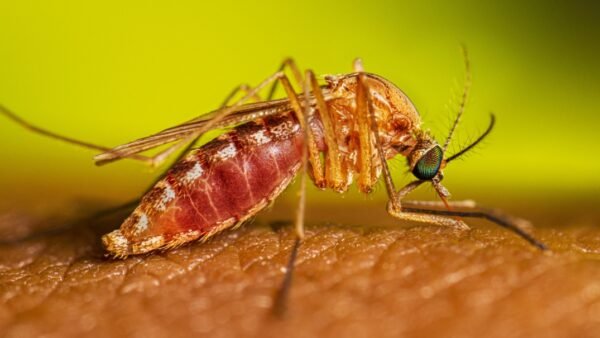
West Nile Fever is caused by the West Nile virus, which is transmitted primarily through the bite of infected *Culex* mosquitoes, commonly known in Brazil as “pernilongos” or “muriçocas”. These mosquitoes acquire the virus by feeding on infected birds, which play a central role in maintaining the virus in nature. The transmission cycle generally occurs as follows: infected birds carry the virus; mosquitoes feed on these birds and become infected; the mosquitoes then transmit the virus to other birds; and humans and horses can become accidentally infected when bitten by infected mosquitoes.
Virus Circulation
It is not yet possible to determine exactly where all the infections occurred, meaning that authorities cannot definitively conclude that the virus is circulating within São Paulo or Santa Catarina. Before establishing local circulation in either state, evidence of the virus among animals and mosquito populations must also be assessed. There is also the possibility that some human infections were acquired elsewhere, particularly by individuals who had previously visited rural or wild areas where the virus was already circulating among animals, before returning or traveling to these states.
Why Do Most Infections Not Cause Symptoms?
According to the Ministry of Health, only about 20% of people infected with the West Nile virus are estimated to develop symptoms, meaning approximately 80% show no signs of infection. When symptoms do occur, the most common manifestations are generally nonspecific and may include fever, headache, malaise, body aches, nausea, vomiting, and skin rashes. Severe cases are less common but can affect the central nervous system, potentially causing encephalitis, meningitis, and other neurological complications. Warning signs requiring medical evaluation include confusion or disorientation, altered levels of consciousness, seizures, significant muscle weakness, and flaccid paralysis, characterized by a loss of muscle strength and tone. These symptoms can resemble those of other infections that are far more common in Brazil, including dengue, Zika, and chikungunya. This similarity, combined with the fact that most West Nile virus infections are asymptomatic, makes cases more difficult to identify and may contribute to the disease being underdiagnosed in the country.
Analysis:
The confirmation of the first human cases of West Nile Fever in São Paulo, combined with the first reported death in Santa Catarina, represents an important development for Brazil’s epidemiological surveillance system. However, these cases should not yet be interpreted as proof of sustained local transmission in either state. The immediate priority for health authorities is to determine where the infections were acquired and investigate the presence of the virus in mosquitoes, birds, and other potential hosts. The case involving a patient who recently traveled to the Amazon demonstrates the difficulty of distinguishing locally acquired infections from cases imported from areas where the virus may already circulate.
Sources: G1.

