


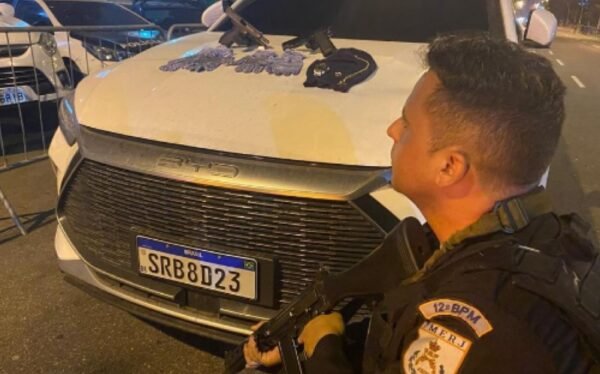
The increase in reported thefts and robberies of hybrid and electric vehicles has been drawing growing attention from authorities in Rio de Janeiro. According to the Rio de Janeiro Insurance Companies Union (SindSeg-RJ), there is a clear upward trend in crimes targeting electrified cars in the state. Between January and March, 366 incidents involving theft or robbery of hybrid and electric vehicles were recorded, raising concerns among law enforcement and the insurance sector about a possible shift in criminal focus toward newer and more valuable automotive technologies.
This Content Is Only For Subscribers
To unlock this content, subscribe to INTERLIRA Reports.
2026 Data
According to SindSeg-RJ, 366 hybrid and electric vehicles were stolen or robbed in Rio de Janeiro in the first three months of 2026, an average of roughly four incidents per day. In the same period of 2025, 150 cases had been recorded. This represents an increase of 144% year-over-year. The data is based on information from the National Traffic Secretariat (Senatran), which compiles records from state traffic departments (Detrans) across Brazil regarding vehicle thefts and robberies.
Fleet also increased
Data from Detran-RJ indicates that the number of hybrid and electric vehicles circulating in the state has grown significantly. In March 2025, there were 8,215 electric vehicles registered, while in the same month of 2026, the number rose to 14,898, an increase of 81%. Hybrid vehicles also saw substantial growth, rising from 10,978 units in March 2025 to 18,692 in March 2026, a 70% increase. Combined, hybrid and electric vehicles total 33,590 units in circulation. Despite this growth, they still represent only 0.4% of the total vehicle fleet in Rio de Janeiro, which exceeds 8.8 million vehicles, including those powered by gasoline, ethanol, diesel, and natural gas.
Most Recent Case
In the Maria da Graça neighborhood, in the North Zone of Rio, at around 18:30 on March 15, a lawyer accompanied by his 94-year-old mother and his 20-year-old son became the victim of an armed robbery. As he opened the door of his recently purchased hybrid Omoda vehicle, valued at approximately R$ 200,000 and acquired just 30 days earlier, he was approached by an armed assailant who dismounted from the back of a motorcycle. The suspect stole cash and cell phones from the victims before fleeing with the vehicle. The entire action lasted just over a minute and, according to authorities, reflects a pattern that has been repeated in other cases across the city.
Use for Robberies
On April 17, suspects linked to the Chapadão Complex, in the North Zone, used a stolen electric vehicle while fleeing from military police along the Transolímpica expressway, which connects Recreio dos Bandeirantes to Deodoro. During the escape, the group attempted to steal another vehicle, a Fiat Toro, as well as a motorcycle near the Sulacap area. The situation escalated into a shootout, during which a doctor inside a vehicle was struck by a stray bullet. Two suspects were arrested, while a third managed to escape. The electric vehicle used in the crime was later abandoned by the group.
Charging in the favela
In the Maria da Graça case, the stolen vehicle has not yet been recovered. The last signal from its tracking system indicated that it had been taken to the Penha Complex, in the North Zone, an area under the influence of the Red Command faction and known to shelter trafficker Edgar Alves de Andrade, also known as Doca or Urso. According to investigators, criminals are targeting hybrid and electric vehicles for two main reasons. The first is to use them as symbols of status during parties organized by drug trafficking groups within communities. The second is their practicality, as these vehicles can be recharged using clandestine electrical connections within favelas, allowing them to remain in use without relying on formal infrastructure outside the favelas.
Increase in the rate
Figures from the Institute of Public Security (ISP) show that overall vehicle theft in the state increased by 18% between January and March 2026 compared to the same period in 2025. However, some municipalities experienced even sharper increases. In São Gonçalo, thefts rose by 134% in the first quarter of the year, while in Itaboraí the increase reached 120% over the same comparative period. These figures reinforce concerns about the broader escalation of vehicle-related crimes across the state.
Impact on Insurance
In early April, during a police operation that resulted in the seizure of 48 tons of marijuana in Nova Holanda, within the Complexo da Maré, authorities recovered 26 stolen vehicles, several of them electric.According to Bernardo Câmara, vice-president of SindSeg-RJ, the growing number of crimes involving electrified vehicles may have a direct impact on insurance costs, potentially leading to higher premiums for owners as risk levels increase.
Analysis:
The rise in thefts and robberies involving hybrid and electric vehicles in Rio de Janeiro reflects an adaptive shift in criminal behavior toward higher-value and technologically distinct targets. Although the fleet of electrified vehicles has expanded rapidly, their share of the total vehicle population remains minimal, which makes the scale of the increase in thefts particularly significant. This suggests that the trend cannot be explained solely by greater availability, but also by a deliberate selection process by criminal groups seeking assets with higher resale value or strategic utility.
Another important dimension of this phenomenon is the functional use of these vehicles within criminal operations. Cases linked to areas such as the Chapadão Complex and the Penha Complex indicate that stolen electric and hybrid cars are not only resold but also incorporated into daily activities of organized groups, including logistics and armed actions. The ability to recharge vehicles through irregular connections in controlled territories provides a practical advantage, reducing dependence on formal infrastructure and lowering operational costs. In addition, the symbolic value of these vehicles in social environments tied to criminal networks points to a cultural dimension, where possession of high-end goods reinforces status and influence.

